
MARPE Informed Consent:
What to Document
Before the First Activation Turn
A clinical framework for documenting force outputs, suture separation probabilities, and consolidation timelines — the medico-legal essentials every orthodontist must record.
TL;DR MARPE informed consent requires documenting appliance-specific force outputs, expected suture separation rates, activation protocols, and consolidation periods before the first turn. Chun et al. (2022) confirmed suture separation in 95% of MARPE patients across 35 turns, making these figures essential disclosures. Without structured documentation, medico-legal exposure rises and patient expectations go unmanaged.
Proper MARPE informed consent is the clinical and legal foundation every orthodontist must establish before activating a bone-borne palatal expander. Yet documentation standards in orthodontic practice vary considerably, and gaps in disclosure — particularly around force magnitudes, suture geometry shifts, and consolidation timelines — create avoidable liability. On ortodontmark.com, Dr. Mark Radzhabov presents a structured consent framework drawn from peer-reviewed imaging studies and mechanical testing data, designed to give clinicians a reproducible pre-activation checklist that covers both patient education and medico-legal protection.
Which Appliance Parameters Belong
in the Signed Record?
MARPE informed consent is the pre-activation documentation process in which the orthodontist records, in writing, the mechanical parameters of the bone-borne appliance, the probability of midpalatal suture separation, the planned activation regimen, and the expected consolidation period — creating a defensible record before the first turn is made. Generic orthodontic consent forms do not capture these specifics, and the gap between what was discussed and what was written is where medico-legal exposure lives. Force output is the first appliance parameter to document. Camporesi et al. (2013) measured that Hyrax and A2620 expansion screws generate forces exceeding 20 kg, while Palatal Split screws produce approximately 16 kg. Across the broader range of rapid maxillary expansion devices, forces span from 7.54 to 15.8 kg, according to Camporesi et al. (2013). Naming the specific device placed, its measured force output category, and how that load is transmitted through the miniscrews to the palatal bone — bypassing the dental roots — allows patients and referring clinicians to understand why this appliance differs mechanically from a conventional expander. Activation mechanics deserve equal precision. Standard 10 mm expansion screws deliver 0.8 mm of linear movement per full turn, subdivided into 4 quarter-turn activations of 0.2 mm each, as documented by Camporesi et al. (2013). The consent record should specify the prescribed activation schedule — how many turns per day, the total number of planned turns, and who performs the activation — so that deviations from the agreed protocol are traceable if a complication arises.
How Suture Separation Data Should
Shape Your Disclosure Language
Documenting the probability of midpalatal suture separation is an evidence obligation, not a courtesy. Chun et al. (2022) conducted a prospective randomized clinical trial in which both RPE and MARPE groups received identical expansion of 35 turns, with imaging assessment at baseline, immediately post-expansion, and after a 3-month consolidation period. Suture separation was confirmed in 90% of RPE patients and 95% of MARPE patients upon the same expansion amount, per Chun et al. (2022). These figures are citable disclosures: they tell the patient that separation is the expected outcome, not a complication, and that non-separation is the minority result that warrants follow-up. Suture geometry changes with skeletal maturity and affects how separation is experienced. A 2022 CBCT and dental cast analysis found that the midpalatal suture opening shifts from a parallel configuration in younger patients to a triangular pattern with increasing age during rapid maxillary expansion. Consent language should acknowledge this geometry shift qualitatively — patients with more mature sutures may perceive asymmetric pressure distribution and should be counselled that this is an anticipated radiographic and tactile difference rather than a sign of appliance failure. The 3-month consolidation window identified by Chun et al. (2022) is a critical timeline to document explicitly. Patients must understand in writing that the expander remains in place through this period and that premature removal carries a risk of relapse. Linking the consolidation requirement to the documented expansion turns creates a chain of reasoning that supports both compliance and any future dispute resolution.
Building a Pre-Activation Consent Checklist
That Holds Up to Scrutiny
A reproducible MARPE informed consent checklist organizes disclosure into discrete, initialled line items rather than a signed paragraph that patients rarely read carefully. Each item corresponds to a documented clinical decision: appliance selection, force output category, activation schedule, imaging timeline, and consolidation period. Orthodontist Mark recommends structuring the checklist so that the clinician's signature appears only after each line item has been verbally reviewed with the patient, creating a timestamped interaction record. Force disclosure should name the specific device and reference the fact that bone-borne force transmission differs from tooth-borne mechanics, bypassing the premolar and molar roots entirely. This matters when documenting why miniscrew placement sites were chosen and what tissue management instructions were provided. Including the planned miniscrew insertion depth and the cortical engagement strategy gives the record enough anatomical specificity to address any post-placement complaint. Imaging consent is a separate line item that many practices omit. The Chun et al. (2022) protocol used CBCT assessment at baseline, immediately post-expansion, and at the 3-month consolidation mark — a three-point imaging sequence. Documenting patient agreement to each scan, along with the clinical justification for each timepoint, satisfies both radiation-justification requirements and the evidentiary standard if outcomes are later questioned. Structured MARPE training and protocol development resources at ortodontmark.com provide template frameworks orthodontists can adapt to their jurisdiction's consent law.
Where Orthodontic Liability Documentation
Actually Fails
Most medico-legal risk in bone-borne expander cases does not arise from poor clinical outcomes — suture separation rates support the procedure's effectiveness. Risk arises from the gap between what the clinician understood and what the patient was told in writing. A consent form that references 'expansion therapy' without specifying force values, activation mechanics, or imaging intervals leaves the practitioner unable to demonstrate that specific risks were individually disclosed rather than generically implied. Skeletal expansion consent forms must distinguish between the dental and skeletal effects of the appliance. Because MARPE transmits force through miniscrews to the basal bone rather than through the crowns of the maxillary premolars and molars, the distribution of perioral pressure, midface tension, and nasal airway change differs from conventional RPE. Patients who experience nasal sensation or periorbital pressure during activation — expected biomechanical sequelae — need to have read these possibilities in their signed record, not heard them for the first time at an emergency call. Documenting the miniscrew-assisted expansion consent separately from the general orthodontic consent is the most defensible structural choice. A standalone MARPE addendum, signed at the appliance placement appointment rather than at the initial consultation, captures the patient's understanding at the moment when the clinical parameters are concrete and the device is physically present. Review a miniscrew-assisted expansion case review at /consultation to see how this addendum structure applies to complex adult cases.
Integrating CBCT Findings Into
the Consent Record
Incorporating pre-treatment CBCT findings into the consent record elevates the document from a generic risk disclosure to a case-specific clinical justification. The relevant imaging data for MARPE documentation includes midpalatal suture maturation stage, bone density at the intended miniscrew insertion sites, and the geometry of the suture in the anterior, middle, and posterior thirds. A 2022 CBCT and dental cast analysis confirmed that suture opening geometry shifts from parallel to triangular as skeletal maturity advances — a finding that changes both the predicted expansion pattern and the qualitative counselling the patient receives about pressure distribution. When the pre-treatment CBCT shows a more mature suture geometry, the consent record should note that a triangular opening pattern is anticipated, that force distribution may be experienced asymmetrically by the patient, and that this is not an adverse event. Documenting the radiographic basis for this expectation demonstrates that the clinician reviewed the imaging before activation rather than relying on age alone as a proxy for suture behaviour. The three-point imaging protocol used in Chun et al. (2022) — baseline, immediately post-expansion, and at the 3-month consolidation mark — provides a documentation timeline that integrates naturally with the consent record. Each scan has a defined purpose: baseline establishes the starting suture anatomy, post-expansion confirms separation, and the 3-month image validates bone fill before appliance removal. Documenting patient agreement to this sequence in writing, with the clinical indication for each scan stated explicitly, completes the radiographic component of a defensible MARPE consent.
Free Clinical Guide
Which Expansion Appliance at Which Age?
Get Dr. Mark Radzhabov's guide to skeletal-expansion appliances — indications, pros & cons, and how to choose by patient age. Free to your inbox.
Prefer video? Watch the free demo lesson on MARPE appliance types, features and trade-offs.
Documented outcomes
Clinical cases from Dr. Mark Radzhabov's practice
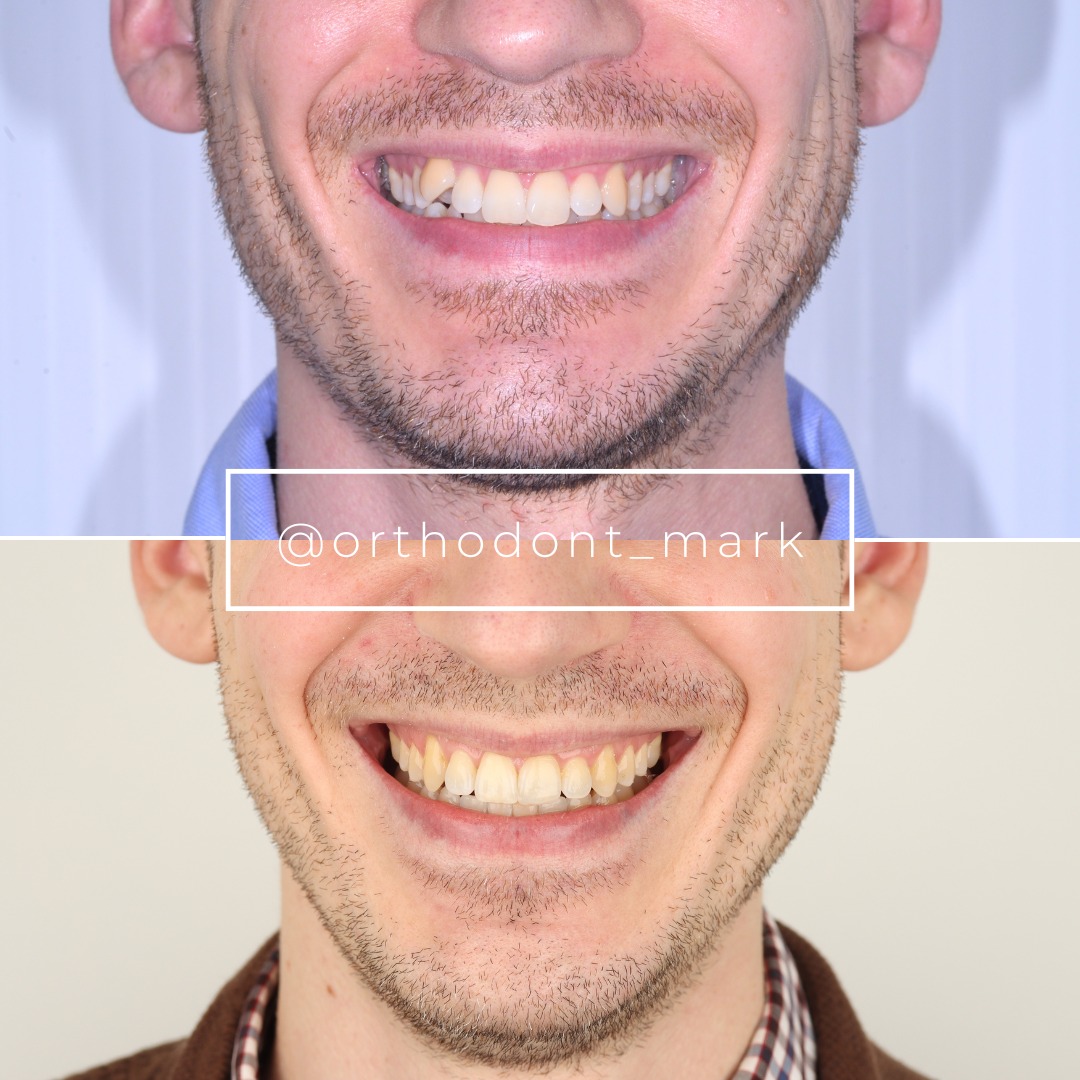
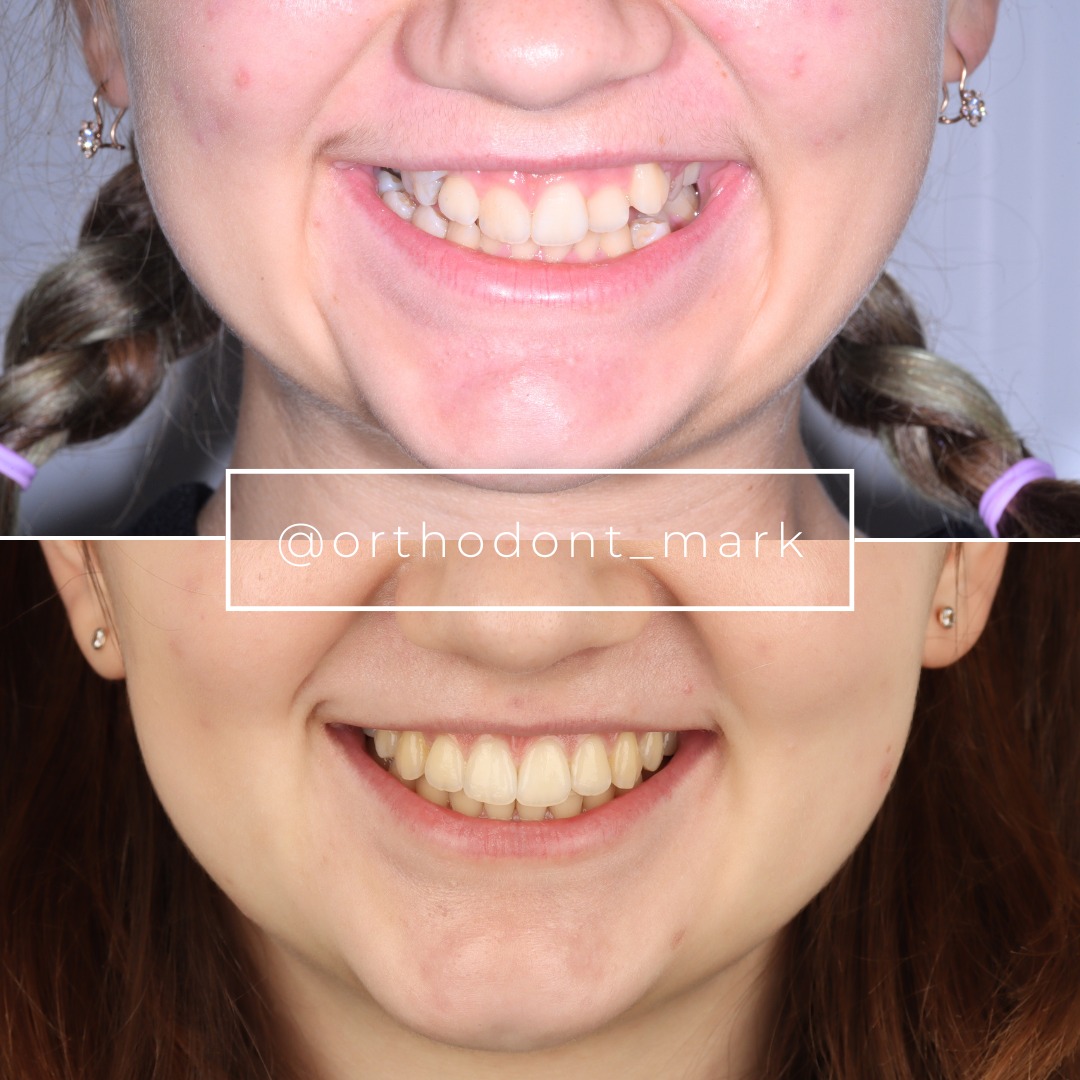
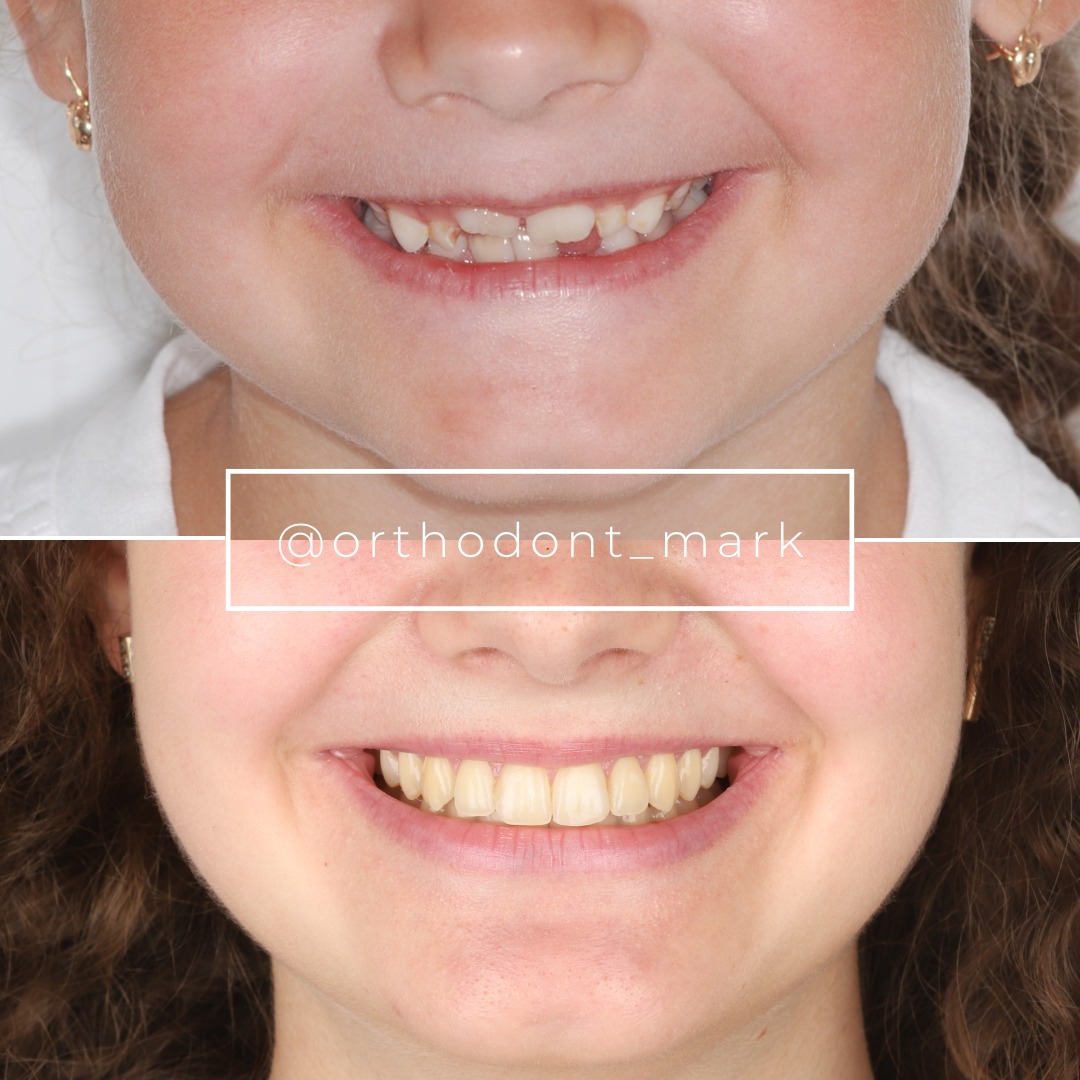
Learn the full MARPE protocol from Dr. Mark Radzhabov
Fundamental course covering CBCT patient selection, miniscrew planning, activation protocols, and 60+ clinical cases. Choose the access level that fits your practice.
Essentials of rapid palatal expansion for practicing orthodontists.
- Core RPE concepts and biomechanics
- 6 structured video lessons
- Clinical decision checklists
- Lifetime access to recordings
Deep-dive into MARPE protocol, diagnostics, and clinical execution.
- 6 modules covering MARPE from A to Z
- CBCT case selection walkthroughs
- Miniscrew placement and activation
- 60+ annotated clinical cases
- Direct Q&A with Dr. Mark Radzhabov
5-element medical consultation framework for dentists and orthodontists.
- Trust-building consultation protocol
- 5 lesson modules
- Templates for treatment plan delivery
- Works with any clinical specialty
Clinical FAQ
What specific force values must orthodontists document in MARPE informed consent?
Document the force output of the chosen device by name. Camporesi et al. (2013) showed Hyrax and A2620 screws exceed 20 kg while Palatal Split screws produce approximately 16 kg. Naming the device and its force category demonstrates individualized rather than generic disclosure.
How should the activation protocol be recorded in miniscrew-assisted expansion consent forms?
State the per-turn displacement value explicitly. Camporesi et al. (2013) documented that standard 10 mm screws deliver 0.8 mm per full turn across 4 activations of 0.2 mm each. Record the daily schedule, total planned turns, and who performs each activation.
What suture separation probability should orthodontists disclose before MARPE activation?
Chun et al. (2022) reported 95% suture separation in MARPE patients and 90% in RPE patients across 35 identical expansion turns. These figures are citable disclosures that reframe separation as the expected outcome rather than a complication.
How long is the consolidation period that must be documented in the MARPE consent record?
Chun et al. (2022) used a 3-month consolidation period before appliance removal in their prospective trial. This timeline should appear in writing in the consent record, linked explicitly to the risk of relapse if the appliance is removed prematurely.
Does suture geometry change with age and should this be disclosed in skeletal expansion consent forms?
Yes. A 2022 CBCT and dental cast analysis found the midpalatal suture shifts from a parallel to a triangular opening pattern with skeletal maturity. Disclosing this qualitatively — that pressure distribution may feel asymmetric — prevents patients from interpreting a normal finding as a complication.
Should MARPE informed consent be a separate addendum or part of the general orthodontic consent form?
A standalone MARPE addendum signed at appliance placement is more defensible than embedding device-specific disclosures in a general form signed at the consultation. This ensures force values, activation schedules, and imaging timelines are current and case-specific at the time of signing.
What CBCT findings should be incorporated into the pre-activation MARPE consent documentation?
Document midpalatal suture maturation stage and the observed geometry — parallel versus triangular — based on pre-treatment imaging. A 2022 CBCT and dental cast analysis confirmed this geometry shift is predictable with advancing maturity, making it a documentable rather than purely verbal disclosure.
What imaging consent is required for the three-point CBCT protocol used in MARPE cases?
Obtain written agreement to baseline, post-expansion, and 3-month consolidation scans, each with a stated clinical indication. Chun et al. (2022) used this exact three-point sequence, providing a published protocol to reference when justifying radiation exposure in the patient record.
How does documenting MARPE risks differ from standard rapid palatal expander consent?
Bone-borne appliances transmit force through miniscrews to basal bone rather than through tooth crowns, producing nasal and midface pressure sensations that differ from conventional RPE. These force-path differences, the miniscrew placement sites, and the cortical engagement strategy require explicit disclosure not covered by standard expander consent language.
What medico-legal considerations make MARPE documentation different from other orthodontic appliances?
Force outputs above 20 kg, documented by Camporesi et al. (2013) for certain devices, and a 3-month mandatory retention period per Chun et al. (2022) create specific obligations. Generic orthodontic consent cannot cover these parameters — appliance-specific, signed documentation is the defensible standard.
Thorough MARPE informed consent transforms a routine pre-treatment conversation into a defensible clinical record, documenting force ranges, activation schedules, suture separation probabilities, and consolidation expectations in one place. Orthodontists who standardize this process reduce complaint risk and improve patient cooperation through the entire expansion phase. Dr. Mark Radzhabov has compiled the supporting evidence and a structured review framework at ortodontmark.com — explore the full MARPE course or submit a specific case for consultation to build a consent protocol that holds up to scrutiny. Key sources: Chun et al. (2022), BMC Oral Health, doi:10.1186/s12903–022-02138-w. Camporesi et al. (2013), BioMedical Engineering OnLine.