
The MARPE Learning Curve:
Beginner Errors
Orthodontists Make and How to Avoid Them
Evidence-mapped pitfalls in miniscrew placement, sex-based selection, and complication management—so your next case benefits from the literature, not trial and error.
TL;DR The MARPE learning curve exposes predictable clinical errors in patient selection, miniscrew placement, activation timing, and complication management. Evidence shows sex and age significantly shape suture separation success, while gingival inflammation and asymmetric expansion affect the majority of patients. Understanding these patterns before your first case prevents avoidable failures.
Every orthodontist adding miniscrew-assisted rapid palatal expansion to their practice encounters a MARPE learning curve that textbooks rarely map honestly. The procedural steps look straightforward. The case-selection logic and complication profile are not. At ortodontmark.com, Dr. Mark Radzhabov synthesises peer-reviewed evidence to help clinicians anticipate the errors that most commonly derail early MARPE cases—before a failed split or a broken appliance erodes patient confidence. This article identifies where beginners go wrong, connects each pitfall to published outcome data, and offers actionable decision rules a clinician can apply immediately.
Why Does the MARPE Learning Curve Catch Experienced Clinicians Off Guard?
The MARPE learning curve is the structured progression of clinical errors, corrections, and competencies that orthodontists navigate when adopting miniscrew-assisted rapid palatal expansion, spanning patient selection, appliance placement, activation management, and complication response. Clinicians trained on conventional rapid palatal expansion often transfer assumptions that do not hold in bone-borne protocols—particularly around suture biology, anchorage loss, and the skeletal versus dental distribution of force. The core mechanical distinction matters immediately. Conventional RPE loads through the dentition. MARPE anchors directly to palatal cortical and cancellous bone via titanium miniscrews. That shift in force path changes which tissue responds, which complications appear, and how quickly problems become visible. Beginners who underestimate this difference tend to under-monitor tissue response in the first two weeks of activation, when most complications establish themselves. Chun et al. (2022) confirmed that MARPE achieves greater skeletal nasal width increase in the molar region and greater palatine foramen opening than conventional RPE, making the appliance genuinely superior for skeletal targets—but only when the bone-borne force is managed correctly. When it is not, the same direct palatal anchorage that produces those superior skeletal gains accelerates tissue irritation and appliance stress. Understanding this dual character of the miniscrew-assisted expansion mechanism is the first cognitive shift a learning clinician must make before placing their first appliance.
Which Selection Errors Derail MARPE Cases Before Placement Begins?
The most consequential beginner mistake in miniscrew-assisted rapid palatal expansion is treating patient selection as a single-variable problem. Clinicians new to MARPE frequently screen on suture maturity alone, overlooking sex as an independent and statistically significant predictor of suture separation success. Jeon et al. (2022) reported suture separation success rates of 94.17% in female patients and 61.05% in male patients, with an overall rate of 79.53%. That gap—more than thirty percentage points between sexes—is not a marginal variance. It is a clinically decisive difference that belongs in every MARPE consent conversation and case-planning checklist. A male patient who looks identical to a female patient on CBCT may carry substantially lower probability of achieving complete midpalatal separation. Age compounds the sex-dependent risk in male patients specifically. Jeon et al. (2022) found that older male patients show significantly reduced MARPE suture separation success with advancing age (p = 0.001), while female success is considerably less age-dependent (p = 0.221). This means a male patient in his late twenties or thirties should receive a materially different success probability counselling than a female patient of the same chronological age—yet beginners often present a single success estimate to both. Additionally, Jeon et al. (2022) established that even among patients who do achieve successful suture separation, the amount of separation decreases significantly with advancing age in both sexes (p = 0.001), which affects treatment planning for patients whose skeletal deficiency requires a specific expansion magnitude.
How Should Clinicians Prepare for the Complication Burden That Evidence Predicts?
Beginners consistently underestimate how frequently MARPE complications occur, because they approach the procedure through a surgical mindset—expecting complications to be the exception. The published prevalence data reframes that assumption entirely. Gingival inflammation around the MARPE appliance is the most frequent complication, occurring in 83.9% of patients according to Yoon et al. (2022)—not a minority finding, but the expected finding. Clinicians who do not build inflammation monitoring into every activation visit will miss it until it is entrenched. Establishing a weekly or biweekly tissue assessment protocol, with documented probing and photographic records around all four miniscrew heads, is not excessive caution. It is the standard the evidence demands. Pain management requires equivalent pre-planning. Yoon et al. (2022) reported that pain during and after expansion is reported by 45% of patients—nearly half—making reactive pain counselling inadequate. Scripting an analgesic protocol before activation begins, and confirming patient understanding of expected pressure sensations versus alarm symptoms, prevents the urgent calls that disrupt practice workflow. Beyond soft tissue and pain, Yoon et al. (2022) found that 47.8% of MARPE patients exhibit asymmetric expansion greater than 1 millimeter, which requires scheduled occlusal and midline checks rather than end-of-treatment assessment. Appliance breakage, reported in 10% of patients by Yoon et al. (2022), underscores the need for regular screw torque and solder joint inspection. Rare but serious events documented by Yoon et al. (2022)—including tooth discoloration suggesting vitality loss, temporary hearing loss, numbness, and sinus infection—must appear explicitly in written consent.
What Activation Protocol Mistakes Undermine an Otherwise Correct MARPE Placement?
Miniscrew placement accuracy and appliance design receive most of the procedural attention during MARPE training, but activation protocol errors are an equally frequent source of early failure. The most common pattern: a clinician establishes a rigid turns-per-day schedule without building in any decision criteria that would prompt a protocol adjustment based on tissue or skeletal response. Asymmetric expansion, which Yoon et al. (2022) documented in 47.8% of patients exceeding 1 millimeter of differential, is rarely spontaneous—it develops progressively across activations when the clinician has no interim radiographic or clinical checkpoint. Scheduling a midline assessment after the first two weeks of activation, with a clear threshold for differential activation or protocol pause, converts a reactive problem into a proactive one. Appliance breakage in 10% of patients (Yoon et al., 2022) is largely a load-management failure. Solder joints in hyrax-style connectors and the expansion screw housing itself can fatigue under cumulative force when activation continues past the point of visible tissue or skeletal resistance. Training clinicians to inspect the appliance frame at each visit—not just the miniscrews—reduces breakage risk. Finally, Chun et al. (2022) confirmed that MARPE produces measurably greater palatal foramen opening than conventional RPE, which means the skeletal forces in play are genuinely larger. Activation schedules borrowed directly from conventional RPE experience may over-drive the system. Calibrating activation to the patient's specific suture response, rather than to a generic protocol, is a skill that separates experienced MARPE operators from beginners.
How Do You Translate Evidence Into a Case-by-Case MARPE Clinical Technique?
Translating published outcome data into patient-level decisions requires building explicit decision rules rather than relying on gestalt clinical judgment. For male patients in particular, the marked difference in suture separation success documented by Jeon et al. (2022) suggests that a sex-stratified consent discussion—presenting distinct probability ranges for male versus female patients—is not alarmist. It is accurate. For miniscrew-assisted expansion, the decision about suture separation success should integrate both sex and age together. Because Jeon et al. (2022) showed that age significantly reduces the amount of suture separation even when separation is achieved (p = 0.001 in both sexes), a male patient in his mid-twenties warrants a materially different expansion target and retention protocol than a female patient of comparable age with a comparable suture maturity stage. Collapsing these into a single prediction generates consent inaccuracies and post-treatment disappointment. For practitioners building their first MARPE cases, the evidence framework is most useful when embedded in a structured pre-treatment checklist: confirm sex and suture maturity, set sex-specific success probability, document the complication preparedness protocol for inflammation and asymmetry, and define the appliance inspection schedule. Reviewing miniscrew-assisted expansion protocol decisions in this way, before placement, eliminates the reactive scramble that characterises early learning-curve cases. For documented skeletal expansion outcomes that demonstrate how these protocols perform across diverse presentations, reviewing published before-and-after imaging alongside the referenced literature grounds the clinical decision-making in observable results rather than theoretical models.
Free Clinical Guide
Which Expansion Appliance at Which Age?
Get Dr. Mark Radzhabov's guide to skeletal-expansion appliances — indications, pros & cons, and how to choose by patient age. Free to your inbox.
Prefer video? Watch the free demo lesson on MARPE appliance types, features and trade-offs.
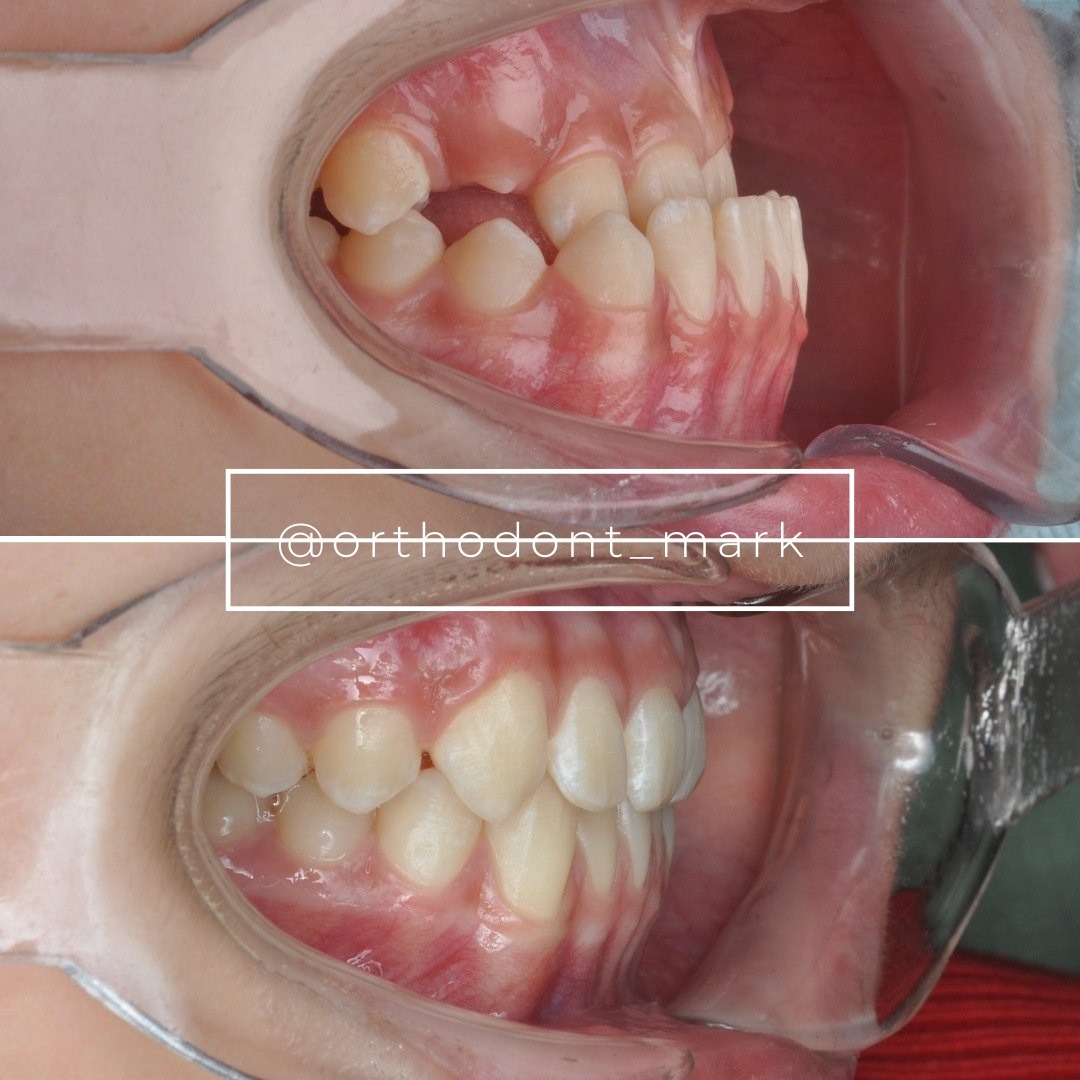
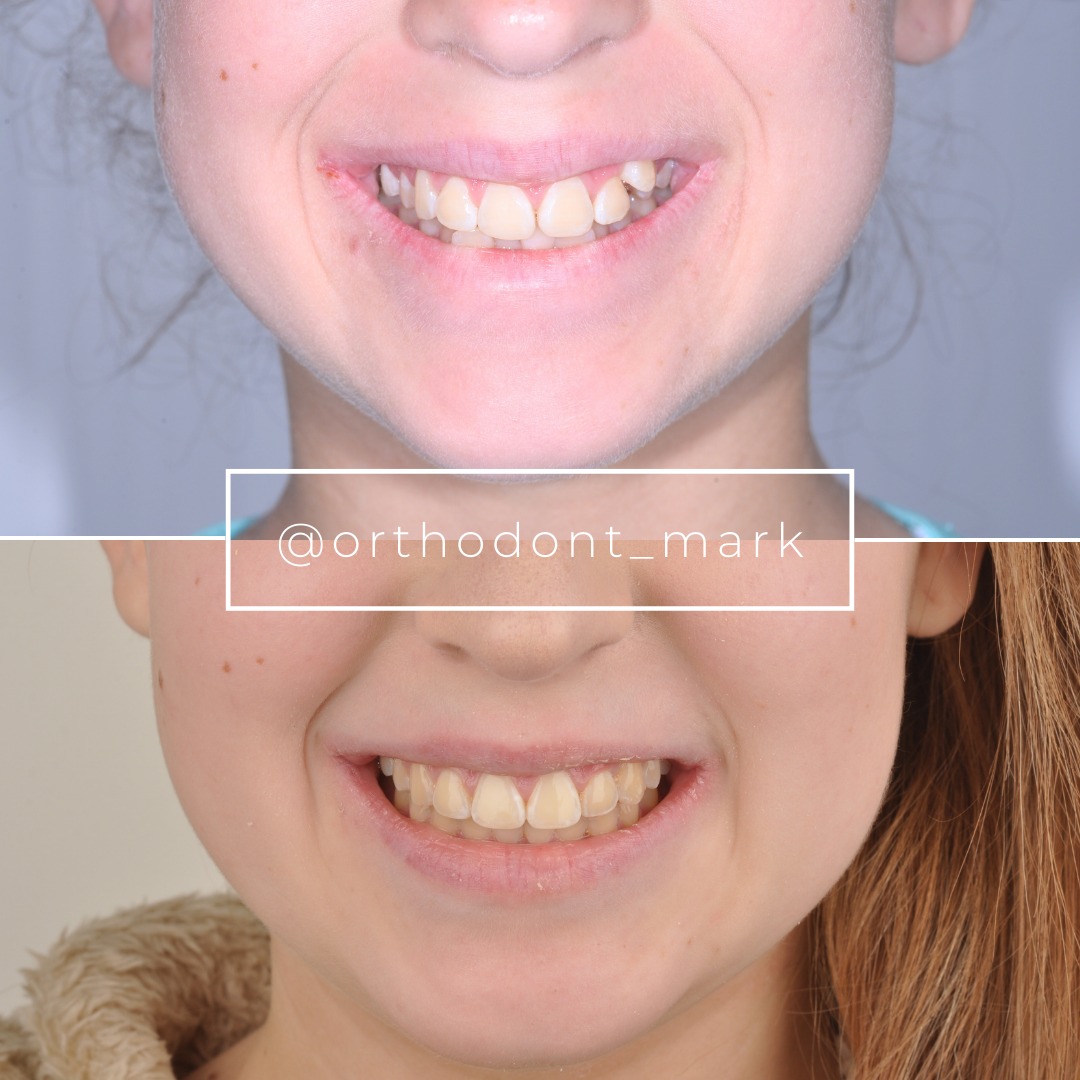
Documented outcomes
Clinical cases from Dr. Mark Radzhabov's practice

Learn the full MARPE protocol from Dr. Mark Radzhabov
Fundamental course covering CBCT patient selection, miniscrew planning, activation protocols, and 60+ clinical cases. Choose the access level that fits your practice.
Essentials of rapid palatal expansion for practicing orthodontists.
- Core RPE concepts and biomechanics
- 6 structured video lessons
- Clinical decision checklists
- Lifetime access to recordings
Deep-dive into MARPE protocol, diagnostics, and clinical execution.
- 6 modules covering MARPE from A to Z
- CBCT case selection walkthroughs
- Miniscrew placement and activation
- 60+ annotated clinical cases
- Direct Q&A with Dr. Mark Radzhabov
5-element medical consultation framework for dentists and orthodontists.
- Trust-building consultation protocol
- 5 lesson modules
- Templates for treatment plan delivery
- Works with any clinical specialty
Clinical FAQ
What are the most common MARPE placement mistakes orthodontists make on early cases?
The most frequent early errors are underestimating sex-dependent selection risk, failing to build tissue monitoring into the activation schedule, and applying conventional RPE activation rates to a bone-borne system that generates greater skeletal forces at the palatine foramen per Chun et al. (2022).
How do sex and age affect MARPE suture separation success rates?
Jeon et al. (2022) reported female success at 94.17% versus 61.05% in males. Age significantly reduces separation success in males (p = 0.001) but is considerably less influential in females (p = 0.221), making sex-stratified selection criteria essential.
How frequently does gingival inflammation occur around MARPE miniscrews?
Yoon et al. (2022) documented gingival inflammation as the most frequent MARPE complication, present in 83.9% of patients. This prevalence warrants structured tissue assessment at every activation visit rather than monitoring only when symptoms are reported.
What is the clinical significance of asymmetric expansion in MARPE cases?
Yoon et al. (2022) found that 47.8% of MARPE patients exhibit asymmetric expansion exceeding 1 mm. Mid-treatment midline checks—rather than end-of-treatment assessment—allow differential activation adjustments before asymmetry becomes a clinical compromise.
How often does MARPE appliance breakage occur and how can it be reduced?
Yoon et al. (2022) reported appliance breakage in 10% of patients. Routine frame inspection at each visit—not just miniscrew stability checks—detects solder joint and screw housing fatigue before the appliance fractures mid-treatment.
What rare serious complications should appear in a MARPE informed-consent document?
Yoon et al. (2022) documented tooth discoloration indicating possible vitality loss, temporary hearing loss, numbness, and sinus infection. Each of these should be listed explicitly in written consent rather than covered only under a general 'rare complications' clause.
Does MARPE produce greater skeletal expansion than conventional RPE in the molar region?
Yes. Chun et al. (2022) confirmed that MARPE achieves greater skeletal nasal width increase in the molar region and greater palatine foramen opening than conventional RPE when identical expansion amounts are applied.
How should pain management be addressed in a MARPE activation protocol?
Yoon et al. (2022) reported pain in 45% of patients during and after expansion. Issuing a written analgesic protocol before activation begins—rather than responding reactively—reduces urgent patient contacts and improves compliance with the activation schedule.
Does the amount of MARPE suture separation decrease with patient age even when separation is successful?
Yes. Jeon et al. (2022) established that suture separation amount decreases significantly with advancing age in both sexes among patients who do achieve separation (p = 0.001), affecting the realistic expansion magnitude a clinician can plan for older patients.
What is the best approach to building a MARPE learning curve protocol for a new practice adopter?
A pre-treatment checklist integrating sex, suture maturity, sex-specific success probability, and documented complication monitoring assignments standardises MARPE clinical technique. Structured MARPE training programs, such as those offered at ortodontmark.com, provide a mapped framework for early-adopter clinicians.
The MARPE learning curve is steepest at the intersection of patient selection and complication preparedness—two areas where published evidence now provides measurable guidance. Clinicians who map sex, age, and suture maturity onto their consent and monitoring protocols reduce preventable failures before the first activation turn. If you are preparing your first MARPE cases or auditing a stalled protocol, Dr. Mark Radzhabov offers structured MARPE training and case-level consultation at ortodontmark.com to shorten that curve significantly. Key sources: Chun et al. (2022), BMC Oral Health, doi:https://doi.org/10.1186/s12903–022-02138-w. Jeon et al. (2022), Clinical Oral Investigations, doi:https://doi.org/10.1007/s00784–021-04281–0. Yoon et al. (2022), retrospective analysis.

