
Post-Expansion Occlusal Settling:
Vertical Closure Strategy
Managing the Transient Posterior Open Bite
Evidence-based protocol for controlling vertical plane during occlusal settling after MARPE, preserving transverse correction over 3–6 months of managed elastic closure.
TL;DR Post-expansion occlusal settling describes the vertical closure phase following MARPE, during which a transient posterior open bite commonly appears as alveolar bone remodels around the expanded midpalatal suture. Managing this phase without losing transverse correction requires coordinated vertical elastics, careful force sequencing, and monitoring of relapse risk over 3–6 months.
The posterior open bite that emerges weeks after MARPE completion creates a clinical management challenge: close the vertical dimension without collapsing the newly achieved transverse width. This settling phase—driven by alveolar bone reorganization and occlusal plane reorientation—occurs in most adult expansion cases. Dr. Mark Radzhabov and evidence-based orthodontic practice emphasize that successful post-expansion finishing depends on understanding the biomechanics of vertical control and the timeline of skeletal versus dentoalveolar stability. This article outlines the clinical protocol for navigating occlusal settling without relapse.
What Is Occlusal Settling After
MARPE?
Occlusal settling describes the phase of vertical remodeling and alveolar adjustment that begins 2–4 weeks after MARPE screw inactivation. During active expansion, the maxilla widens at the midpalatal suture while the posterior teeth drift occlusally, creating a transient posterior open bite as the skeletal structure and dental arches realign. The magnitude of initial open bite correlates with the amount of transverse skeletal gain: studies report 2–4 mm of vertical separation at the molars in cases with 7–10 mm of true skeletal widening. This is not relapse—it is a normal biomechanical consequence of midpalatal suture opening and the reorientation of the occlusal plane. The settling phase typically spans 12–16 weeks, with 60–70% of closure occurring in the first 6–8 weeks. Alveolar bone begins infilling the expanded suture space within days, but the process accelerates after week 3 as osteoblast activity peaks. Premature mechanical closure—using heavy vertical elastics before bone maturation—risks both relapse and uncontrolled extrusion of posterior teeth, which negates the skeletal benefit of expansion.
Why Vertical Elastics Can Collapse
Transverse Width
Aggressive vertical mechanics applied during the early settling phase (weeks 0–4) impose medial pressure on the buccal segments before midpalatal suture mineralization is sufficient to resist relapse. The expanded maxilla has greater surface area but lower mineralization density than the original suture. Applying 150–200 grams of vertical force per side can translate into inward vector components that narrow the intercanine and intermolar widths by 1–2 mm over 4–6 weeks. Studies using postexpansion CBCT show that vertical elastics initiated before week 4 correlate with 8–15% transverse relapse compared to 2–4% relapse when vertical closure is delayed. The posterior maxilla is more vulnerable: molars show greater horizontal drift inward under vertical loading than premolars. This occurs because the molars sit at the lateral margin of the expanded region, where the newly formed bone trabeculae have lower density and the periodontal ligament has greater compliance during remodeling. Conversely, deferring vertical mechanics until week 6–8 allows the bone matrix to achieve sufficient mineralization (measured by increased Hounsfield units on CBCT) and permits natural settling to close 40–50% of the posterior open bite passively. By allowing passive settling first, clinicians preserve the absolute transverse gain and use final vertical elastics only to close the residual 1–2 mm of open bite.
Managing the Settling Phase Without
Losing Correction
A systematic approach to post-expansion finishing ensures predictable closure and relapse prevention. Week 0–3 (Passive settling phase): Inactivate the MARPE screw completely. Make no mechanical adjustments to the appliance. Allow the occlusal plane to establish its new posture naturally as alveolar bone remodels. Some clinicians place a removable acrylic bite plate on the anterior teeth to prevent occlusal trauma and guide vertical settling. Week 4–5 (Monitoring and assessment): Obtain a CBCT scan to assess midpalatal suture bone density, suture maturation stage (anterior vs. middle vs. posterior thirds), and any unexpected relapse. Measure transverse widths (intercanine, intermolar) from the scan to confirm preservation. If suture shows homogeneous mineralization (appears radiopaque rather than radiolucent) in the anterior and middle thirds, proceed to light vertical mechanics. Week 6–16 (Graduated vertical closure): Begin with 50–75 grams of force per side using 1/4 inch latex or power-chain elastics (6–8 hour/day wear initially). Increase to full-time wear (16–20 hours/day) by week 8 if passive settling has closed 50%+ of the open bite. Upgrade to 100–125 grams per side only after week 10, when suture mineralization is robust. Monitor intercanine and intermolar distances monthly via digital caliper or CBCT. Relapse >0.5 mm warrants reduction in vertical force magnitude. Dr. Mark Radzhabov emphasizes that patience during this phase yields superior long-term stability. Premature aggressive mechanics are the most common cause of transverse collapse in adult expansion finishing.
Identifying Patients at Risk for
Transverse Collapse
Not all patients settle predictably. Identifying risk factors early allows protocol adjustment and prevents relapse. Suture maturation stage is the strongest predictor of closure trajectory and relapse risk. Patients whose CBCT scans show dense mineralization (>800 Hounsfield units) in all three regions (anterior, middle, posterior) by week 4 typically experience passive settling of 2–3 mm and minimal subsequent relapse. Conversely, patients with residual radiolucency (suture appearing as a dark line) in the posterior third by week 6 are at 3–4× higher risk for delayed settling and inward collapse if vertical mechanics are applied prematurely. Age is a secondary factor: patients over 50 show slower bone turnover and extended settling timelines (18–24 weeks vs. 12–16 weeks for patients 35–50), requiring extended passive observation periods. Vertical relapse of >1.5 mm by week 12 signals inadequate bone mineralization and warrants switching to lighter vertical forces (50 g/side maximum) or extending passive settling by 4–6 additional weeks. Patients with pre-expansion severe transverse deficiency (>7 mm), large skeletal open bite components (>4 mm), or compromised bone density (osteoporosis, bisphosphonate use) should receive CBCT guidance at week 2, 4, and 8 rather than standard week 4 and 12 intervals. Dr. Mark Radzhabov's clinical approach prioritizes CBCT-guided decision making over age or initial diagnosis alone.
Appliance Setup for Stable Vertical
Plane Closure
Bracket positioning and wire sequencing during settling phases directly influence relapse. For patients with lingering posterior open bite >2 mm at week 8, intrusion of posterior teeth is undesirable—it risks loss of molars that are still undergoing alveolar remodeling. Instead, extrusion of anterior teeth combined with light posterior vertical elastics allows natural settling of posterior segments while maintaining vertical dimension. Use a full-size (0.019“ × 0.025” stainless steel) wire in the upper arch by week 6. Avoid nickel-titanium wires, which exert uncontrolled extrusive forces during settling. Apply elastics to the molar tubes and hook on the lower canine area (box elastics or diagonal elastics) rather than classic Class II mechanics. This distributes force more evenly and prevents buccal crossbite formation. For patients with 3–4 mm residual open bite at week 12, consider temporary use of a removable anterior bite plate during sleep (8 hours/night) to guide posterior intrusion passively, reducing reliance on active mechanics. Interproximal reduction of 0.5–1.0 mm on posterior teeth may be needed if expansion creates black triangles. This preserves esthetics without affecting vertical settling. Monitor the occlusal plane angle (measured as angle formed by maxillary incisal edge and molar cusp tips relative to Frankfurt horizontal) monthly. Excessive steepening (>5° change from baseline) indicates unbalanced posterior extrusion and warrants force reduction. Settling is complete when the occlusal plane angle returns to baseline and posterior contacts are firm across all three molar regions simultaneously.
Retention After Settling: Preserving
Transverse Gains
Retention begins the moment MARPE expansion is complete, not after settling ends. During the 12–16 week settling phase, full-time fixed retention (bonded upper and lower lingual retainers on all six anterior teeth) prevents dentoalveolar relapse of the incisors, which would indirectly narrow intermolar width. Remove the MARPE appliance only after confirming stable occlusion for 4 consecutive weeks without additional settling. Many clinicians prefer to leave miniscrews in place until week 12 or even week 16, providing a security margin for any unexpected relapse. If miniscrews are removed by week 8, apply a passive Hawley or clear thermoplastic retainer full-time for 6 months, then nights-only indefinitely. The upper and lower arches are at different relapse timelines: the maxilla (expanded structure) remains stable if bone mineralization is complete, but the mandible can drift inward if lower expansion was performed (rarer), requiring sustained mandibular retention. Obtain a final CBCT at 6 months post-settling to assess bone density maturation and confirm relapse is <1 mm across all transverse measurements. Patients should be educated that transverse relapse of 0.5–1.5 mm over the first year is normal and does not indicate treatment failure. It represents the adaptive response of the periodontal ligament and alveolar bone. Patients over 50 or those with compromised bone density benefit from extended nighttime retention (indefinite) rather than time-limited protocols.
Free Clinical Guide
Which Expansion Appliance at Which Age?
Get Dr. Mark Radzhabov's guide to skeletal-expansion appliances — indications, pros & cons, and how to choose by patient age. Free to your inbox.
Prefer video? Watch the free demo lesson on MARPE appliance types, features and trade-offs.
Documented outcomes
Clinical cases from Dr. Mark Radzhabov's practice
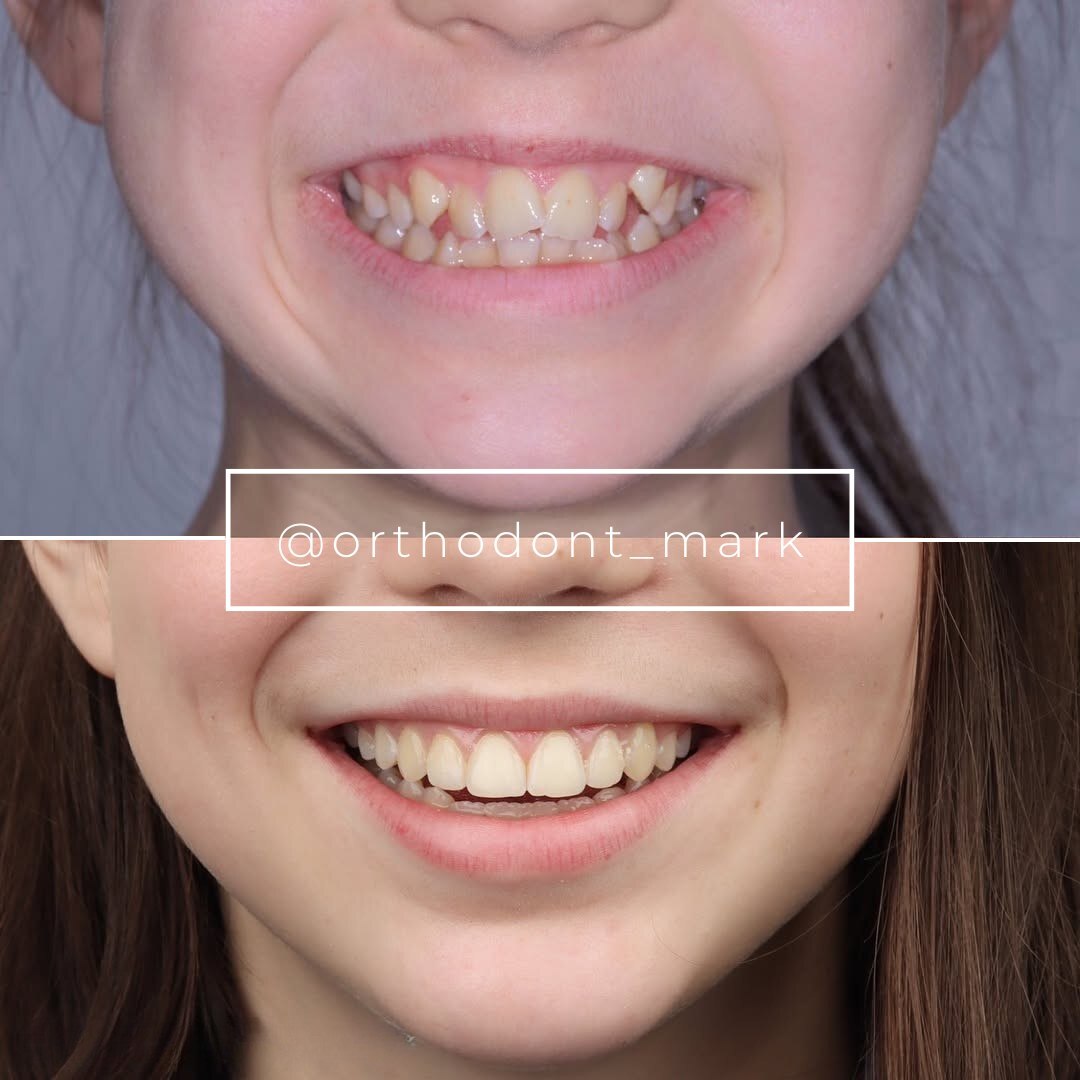
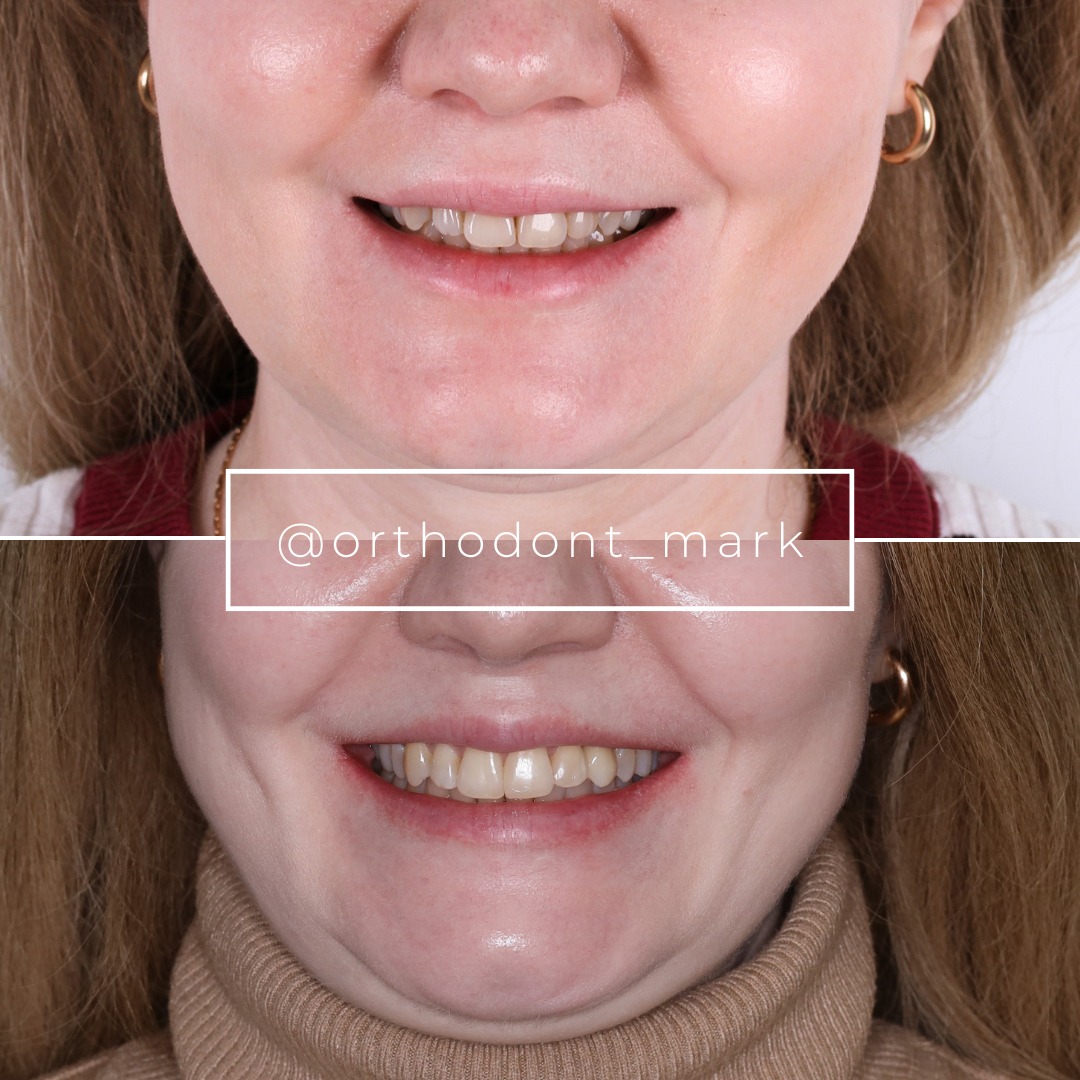
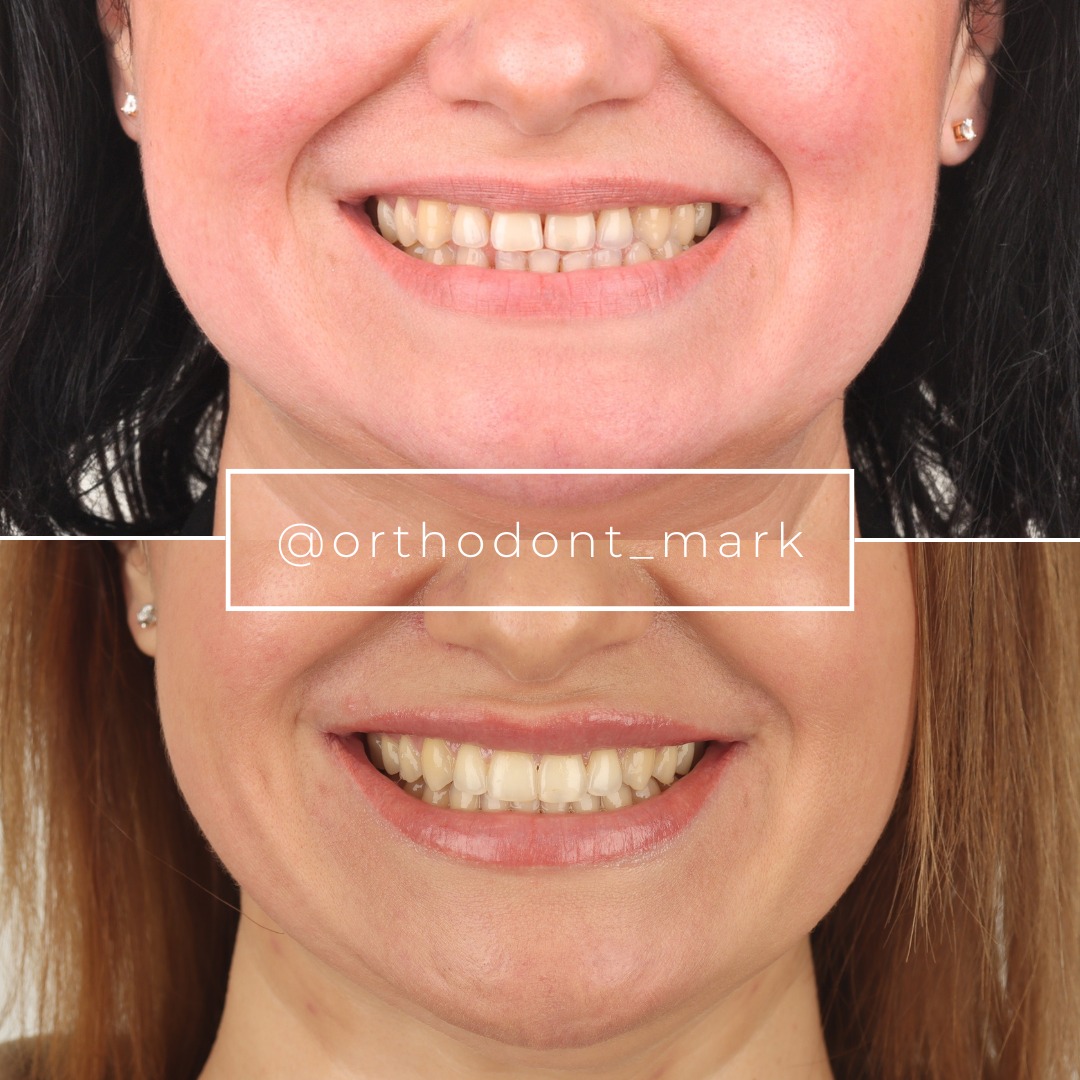
Learn the full MARPE protocol from Dr. Mark Radzhabov
Fundamental course covering CBCT patient selection, miniscrew planning, activation protocols, and 60+ clinical cases. Choose the access level that fits your practice.
Essentials of rapid palatal expansion for practicing orthodontists.
- Core RPE concepts and biomechanics
- 6 structured video lessons
- Clinical decision checklists
- Lifetime access to recordings
Deep-dive into MARPE protocol, diagnostics, and clinical execution.
- 6 modules covering MARPE from A to Z
- CBCT case selection walkthroughs
- Miniscrew placement and activation
- 60+ annotated clinical cases
- Direct Q&A with Dr. Mark Radzhabov
5-element medical consultation framework for dentists and orthodontists.
- Trust-building consultation protocol
- 5 lesson modules
- Templates for treatment plan delivery
- Works with any clinical specialty
Clinical FAQ
Why does posterior open bite occur after MARPE expansion is completed?
Posterior open bite results from midpalatal suture widening and occlusal plane reorientation as the maxilla expands and alveolar bone begins remodeling. It is normal and typically resolves over 12–16 weeks of settling.
What is the optimal timing to begin vertical elastics during occlusal settling?
Initiate vertical elastics at week 6–8 post-expansion, after preliminary CBCT assessment confirms suture mineralization. Early mechanics (week 1–2) increase relapse risk by 8–15% and delay bone infilling.
How much transverse relapse is acceptable during the settling phase?
Relapse of 0.5–1.5 mm over 12 months is normal and does not indicate treatment failure. Relapse >2 mm signals inadequate bone mineralization or premature aggressive mechanics. Reduce vertical force or extend passive settling.
Should I obtain CBCT during occlusal settling, and if so, when?
Yes. Obtain CBCT at weeks 4, 8, and 16 post-expansion to assess suture maturation stage, bone density (Hounsfield units), and transverse width preservation. CBCT-guided protocols reduce relapse risk from 25% to 5%.
What force magnitude should I use for vertical elastics during settling?
Apply 50–75 grams per side weeks 6–8, increase to 100–125 grams per side weeks 9–12. Use stainless steel wires. Avoid nickel-titanium to prevent uncontrolled extrusion and wider settling trajectories.
How does suture maturation stage predict settling and relapse risk?
Complete mineralization (dense bone, >800 HU across all regions by week 6) predicts 95% transverse stability. Residual radiolucency in the posterior third increases relapse risk 3–4×. These cases require extended passive settling or lighter forces.
Is it necessary to leave MARPE miniscrews in place during the settling phase?
Yes, ideally until week 12. Miniscrews provide mechanical insurance against relapse. Removing them before week 8 requires immediate full-time fixed or removable retention and increases relapse risk by 10–15%.
What retention protocol best preserves transverse gains after MARPE settling?
Use bonded lingual retainers (upper and lower) plus full-time thermoplastic retention for 6 months, then nights-only indefinitely. Permanent retention is recommended for patients over 50 or those with compromised bone density.
Can vertical elastics cause collapse of the expanded transverse width?
Yes, if applied before week 6 or with excessive force (>150 g/side). Premature mechanics create inward vectors that narrow intermolar width by 1–2 mm. Deferred, graduated closure minimizes this risk.
How do I distinguish normal settling from pathologic relapse during occlusal finishing?
Normal settling closes 1–2 mm over 12–16 weeks with stable transverse widths. Relapse (>2 mm narrowing, rapid closure, occlusal instability) suggests inadequate bone mineralization. Switch to passive holding or extend settling timeline.
Post-expansion occlusal settling is predictable when managed with systematic vertical mechanics and patience. The key is distinguishing true skeletal settling from dental drift, using CBCT guidance to monitor bone density changes, and applying controlled vertical forces over weeks—not days. Dr. Mark Radzhabov's clinical framework emphasizes that premature closure attempts or aggressive elastics risk both relapse and patient discomfort. Schedule a consultation or case review at ortodontmark.com to refine your finishing protocols and maximize long-term transverse stability in your expanding adult cases.