
MARPE fee treatment time:
evidence
framing expansion case value from the evidence
Use published activation counts, force data, and suture-response findings to defend your MARPE fees and case-length estimates at every consultation.
TL;DR Setting MARPE fee treatment time expectations requires anchoring case length to published mechanics, not intuition. Chun et al. (2022) tracked suture separation through a defined activation sequence, providing a documentable timeline clinicians can reference during consultations. Understanding screw mechanics and age-related expansion patterns equips orthodontists to frame skeletal expansion value with precision.
Communicating skeletal expansion fees confidently requires more than quoting a number at the consultation — it demands a mechanical rationale your patient can follow and your referring colleagues can respect. Dr. Mark Radzhabov at ortodontmark.com has distilled the published treatment-time evidence into a practical framework for framing MARPE case fees, covering activation protocols, force output, and age-related differences in palatal response. Orthodontists who anchor their fee conversation to documented expansion mechanics report fewer objections and clearer consent discussions. This article gives you that evidence-based scaffold.
Why does the activation count matter when communicating
expansion case fees
to patients and referrers?
A screw-turn is the smallest unit of skeletal expansion work, and linking it to a published protocol gives your fee conversation a defensible structure. According to Chun et al. (2022), the expansion sequence in their randomized trial comprised 35 turns, with imaging performed at baseline, immediately after expansion, and at 3 months — a documented timeline that shows patients exactly when the active phase ends and the consolidation phase begins. That three-point imaging schedule is itself a cost driver worth naming explicitly. The mechanical basis behind each turn has been quantified by Camporesi et al. (2013): standard RPE screws are 10 mm in size, with each full turn delivering 0.8 mm of expansion across 4 activations of 0.2 mm each. When you tell a patient that each quarter-turn of the key moves the palate by exactly 0.2 mm, the precision — and therefore the professional complexity — becomes tangible rather than abstract. For miniscrew-assisted skeletal expansion specifically, this activation arithmetic translates directly into appointment frequency and chair time. Clinicians who present the protocol as a defined mechanical sequence — rather than an open-ended course of treatment — find that patients perceive the fee as proportionate to a measurable technical commitment. Linking the expansion case fee to a published activation count is among the cleanest value-framing strategies available.
How do screw force outputs shape the value narrative
for MARPE treatment duration
discussions?
Not all palatal expanders exert equivalent forces, and that distinction has a direct bearing on patient communication about why device selection — and therefore pricing — varies. Camporesi et al. (2013) measured RPE expansion screws producing forces ranging from 7.54 to 15.8 kg. In the same mechanical testing series, Hyrax and A2620 expanders exceeded 20 kg of force, while Palatal Split screws produced approximately 16 kg. The spread across 3 tested screw types is substantial enough to justify explaining device-specific force profiles during the consultation. For MARPE cases in particular, where miniscrews bypass dental anchorage and distribute load directly to palatal bone, the force environment is distinct from conventional tooth-borne expansion. Chun et al. (2022) confirmed that MARPE produced significantly less buccal tipping of anchor teeth compared to conventional RPE, which reflects a fundamentally different biomechanical load path — one that demands greater pre-treatment planning and imaging investment, both of which contribute to the overall fee structure. When clinicians frame the MARPE treatment duration and associated fees around device-specific force data rather than generic statements, the consultation becomes a demonstration of clinical expertise. Patients who understand that the appliance selected for their case was chosen based on measurable force output — not habit — are far better positioned to accept a premium fee.
Does patient age alter how you frame expansion case length
expectations
and communicating expansion cost?
Age-related differences in palatal suture response are not merely academic — they change how you estimate case length and how you structure the associated fee. Kinzinger et al. (2022) evaluated palatal changes across three age groups in a dental cast study of 60 patients divided into under-10, 10–12, and 12-plus cohorts with 20 subjects per group. The pattern that emerged has direct clinical relevance: children under 10 years showed parallel palatal expansion, while adolescents 12 years and older exhibited V-shaped expansion with greater anterior than posterior change. This geometric difference in suture response means that the consolidation and retention phases may differ meaningfully between young and older patients. V-shaped expansion in older adolescents introduces a regional asymmetry — greater anterior opening relative to the posterior — that warrants longer monitoring, potentially more consolidation appointments, and a correspondingly adjusted fee. When explaining communicating expansion cost to a parent of a twelve-year-old versus a nine-year-old, citing this published age-stratified response pattern gives your recommendation clinical authority. Successful MARPE also depends on suture separation, and Chun et al. (2022) found that 95% of MARPE patients achieved midpalatal suture separation versus 90% of conventional RPE patients — a separation advantage worth citing when justifying the incremental fee difference between bone-borne and tooth-borne approaches. For a broader review of how suture anatomy guides device selection, the section on miniscrew-assisted skeletal expansion protocol at ortodontmark.com covers patient selection criteria in depth.
Which published thresholds should anchor your rapid palatal expansion
fees
consultation script?
A consultation that references specific mechanical parameters is categorically different from one that quotes a fee and waits. When you tell a patient that the activation sequence follows a published protocol of defined turns — each delivering a precise increment of movement — you shift the conversation from price to process. The documented imaging schedule in Chun et al. (2022), capturing change at baseline, post-expansion, and at 3 months, gives you natural anchors: each imaging appointment is a value milestone, not a hidden charge. On the device side, citing the force range reported by Camporesi et al. (2013) — 7.54 to 15.8 kg for standard RPE screws versus over 20 kg for Hyrax systems — lets you explain why appliance selection affects both the clinical outcome and the fee. Patients who hear a specific force figure alongside a clinical rationale seldom question whether the appliance choice was arbitrary. The same logic applies to discussing expansion case fees: precision language builds perceived value without inflating claims. For orthodontists building or refining their expansion consultation workflow, reviewing the rapid palatal expander mechanics and case selection resources at ortodontmark.com provides additional clinical scaffolding. The goal is a script grounded in the same published evidence that appears in peer-reviewed imaging and mechanical-testing studies — not institutional habit. That alignment between what you say in the consultation room and what the literature supports is the most durable foundation for premium MARPE fee acceptance.
Free Clinical Guide
Which Expansion Appliance at Which Age?
Get Dr. Mark Radzhabov's guide to skeletal-expansion appliances — indications, pros & cons, and how to choose by patient age. Free to your inbox.
Prefer video? Watch the free demo lesson on MARPE appliance types, features and trade-offs.
Documented outcomes
Clinical cases from Dr. Mark Radzhabov's practice
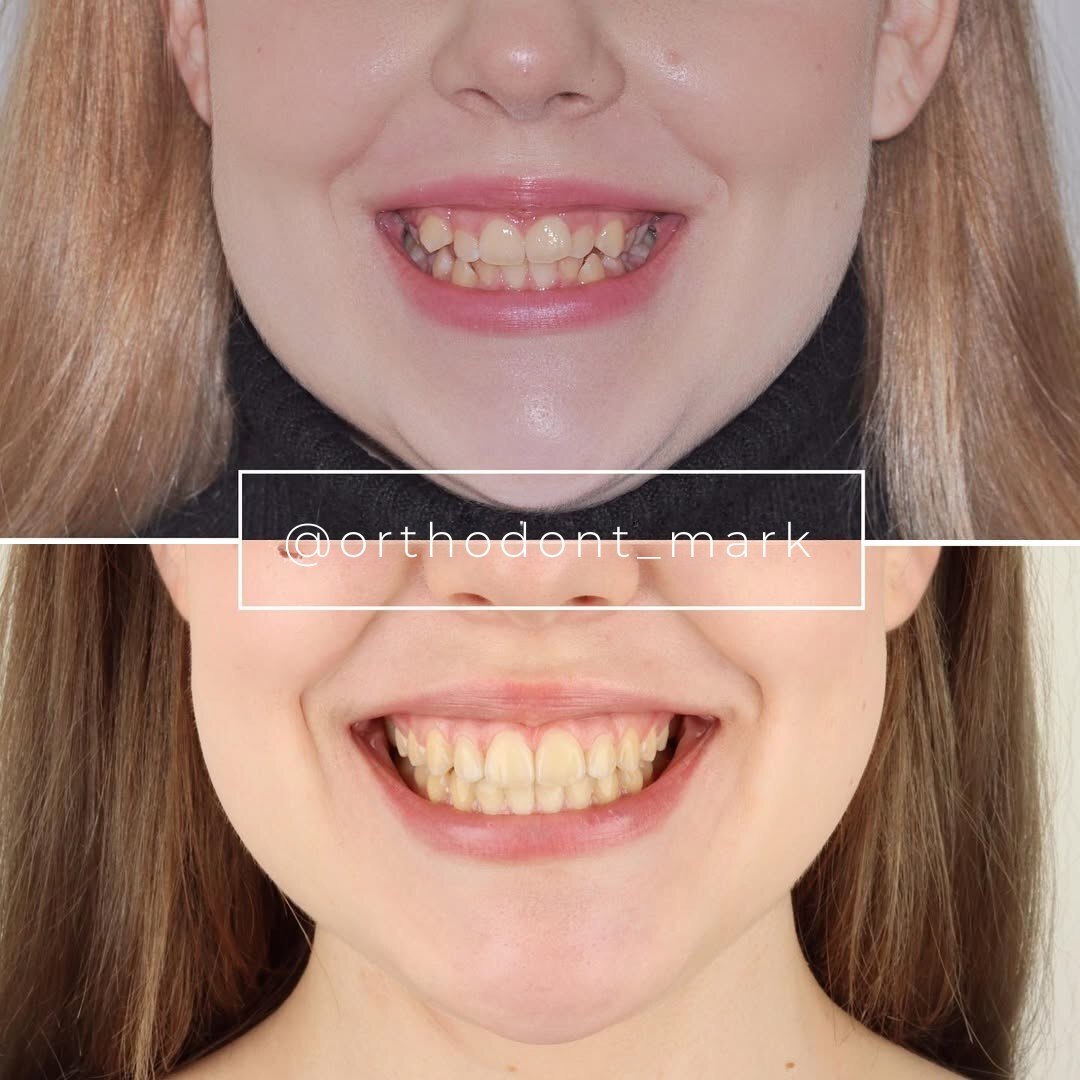
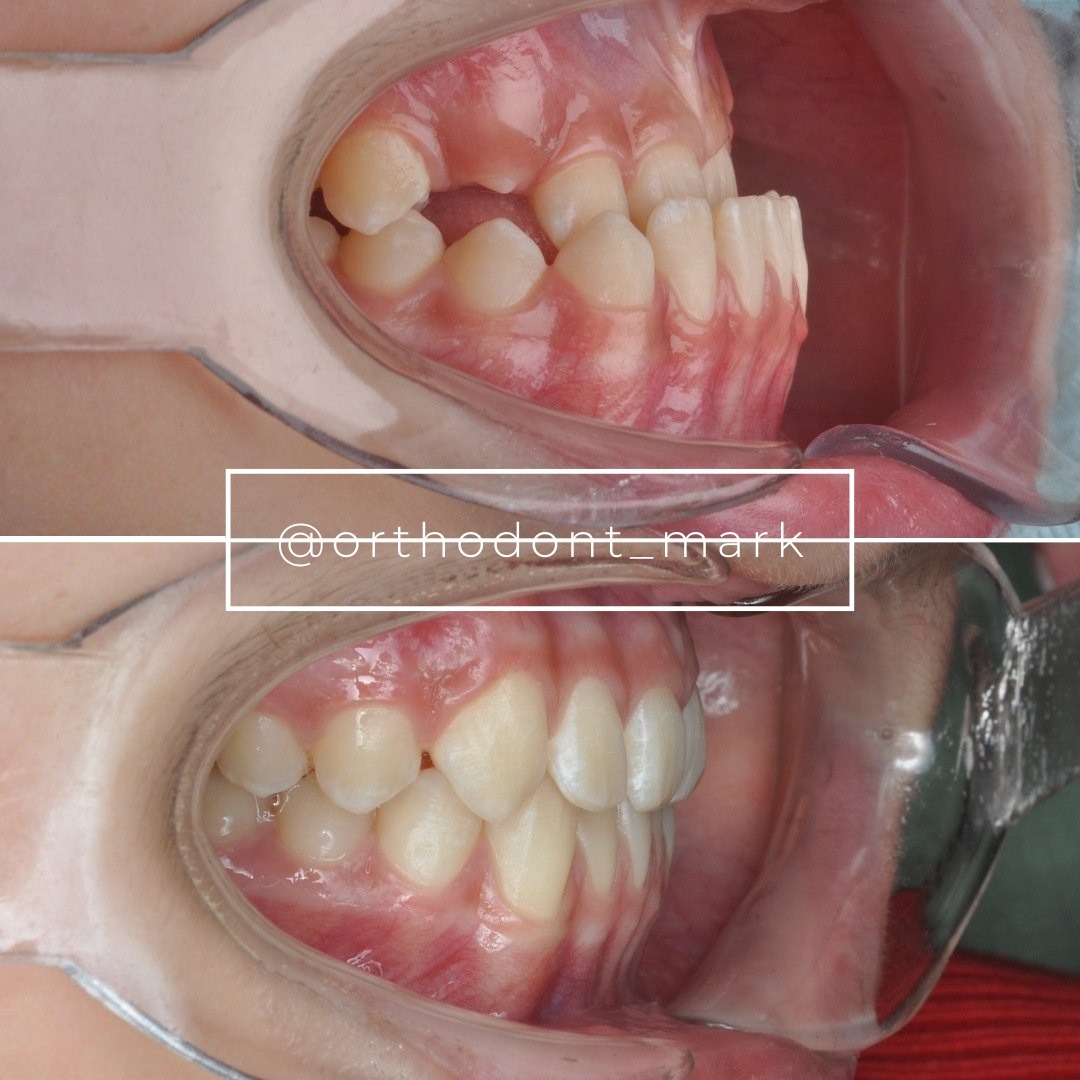
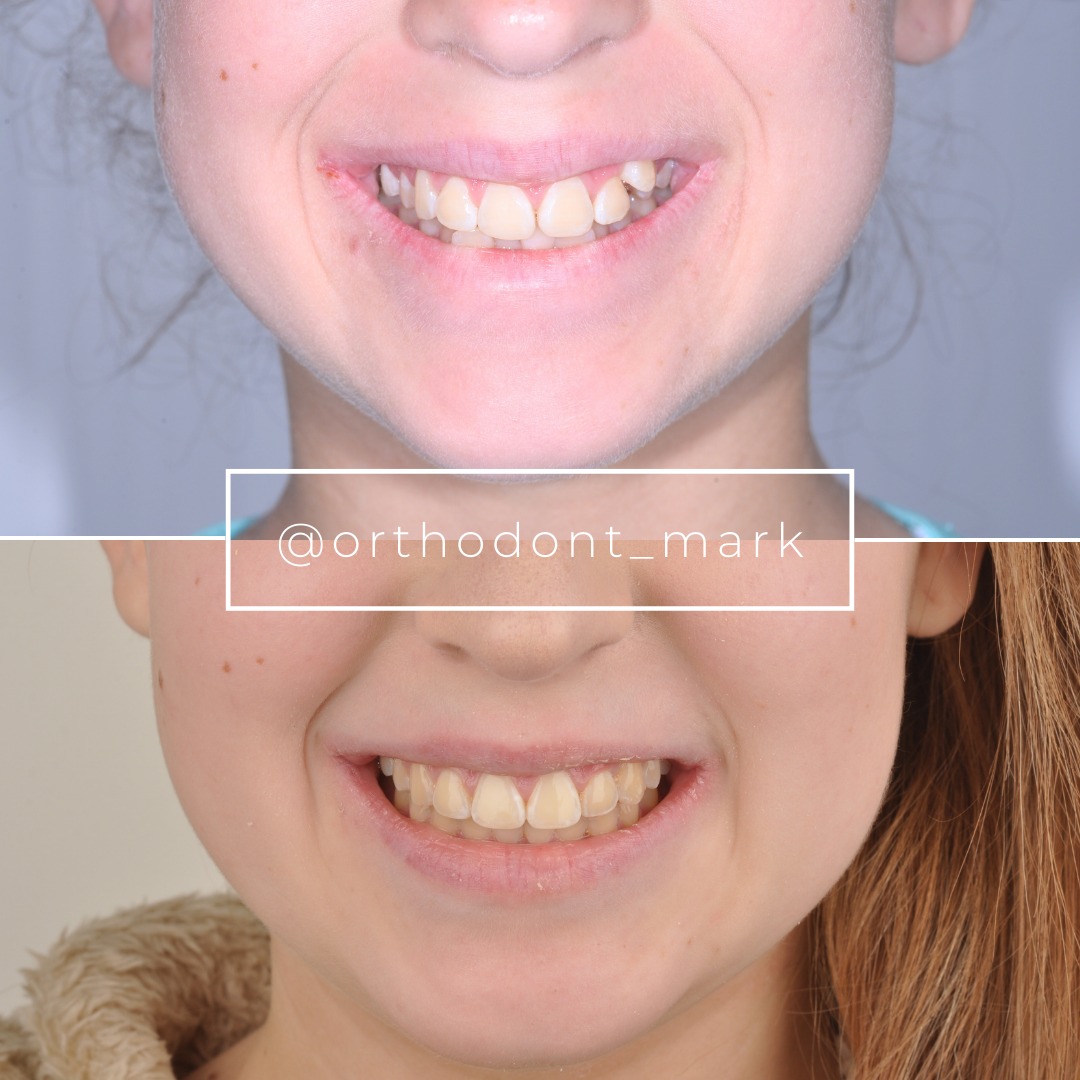
Learn the full MARPE protocol from Dr. Mark Radzhabov
Fundamental course covering CBCT patient selection, miniscrew planning, activation protocols, and 60+ clinical cases. Choose the access level that fits your practice.
Essentials of rapid palatal expansion for practicing orthodontists.
- Core RPE concepts and biomechanics
- 6 structured video lessons
- Clinical decision checklists
- Lifetime access to recordings
Deep-dive into MARPE protocol, diagnostics, and clinical execution.
- 6 modules covering MARPE from A to Z
- CBCT case selection walkthroughs
- Miniscrew placement and activation
- 60+ annotated clinical cases
- Direct Q&A with Dr. Mark Radzhabov
5-element medical consultation framework for dentists and orthodontists.
- Trust-building consultation protocol
- 5 lesson modules
- Templates for treatment plan delivery
- Works with any clinical specialty
Clinical FAQ
How should I frame MARPE fee treatment time during the initial consultation?
Anchor case length to a defined activation sequence and documented imaging checkpoints. Chun et al. (2022) used a 35-turn protocol with CBCT at baseline, post-expansion, and 3 months — presenting these milestones gives patients a concrete timeline tied to clinical events rather than an arbitrary estimate.
What force output data can I cite to justify different expansion appliance fee tiers?
Camporesi et al. (2013) measured RPE screw forces from 7.54 to 15.8 kg, while Hyrax and A2620 expanders exceeded 20 kg. Palatal Split screws produced approximately 16 kg. Citing these device-specific figures explains why appliance selection — and the associated fee — is evidence-driven, not arbitrary.
Does patient age affect how I estimate expansion case length for fee purposes?
Yes. Kinzinger et al. (2022) found that children under 10 show parallel palatal expansion while patients 12 and older exhibit V-shaped opening with greater anterior change. The regional asymmetry in older patients may require longer monitoring, extending the active case and influencing the overall fee structure.
How does MARPE suture separation rate compare to conventional RPE when communicating case value?
Chun et al. (2022) reported 95% midpalatal suture separation with MARPE versus 90% with conventional RPE. This documentable separation advantage provides a clinically meaningful basis for explaining the incremental fee difference between bone-borne and tooth-borne expansion options.
What activation increment should I reference when explaining each turn of the expansion screw to patients?
Camporesi et al. (2013) confirmed that standard RPE screws deliver 0.8 mm per full turn across 4 activations of 0.2 mm each. Presenting this precision — each quarter-turn moves the palate a quantifiable amount — communicates the technical exactness that justifies the professional fee.
How do MARPE dental side effects compare to RPE when framing the case for a premium fee?
Chun et al. (2022) showed significantly less buccal tipping of anchor teeth with MARPE compared to conventional RPE. This biomechanical advantage — preserved tooth position during expansion and consolidation — is a concrete clinical benefit worth highlighting when explaining the MARPE fee premium over tooth-borne alternatives.
How many imaging appointments should I include in the MARPE treatment-time estimate?
The protocol in Chun et al. (2022) included three CBCT acquisitions: baseline, immediately after expansion, and at 3 months. Building these checkpoints into your fee estimate makes each imaging session a defined milestone, ensuring patients understand imaging as a clinical necessity rather than an unexpected cost.
Can I cite mechanical testing data in my MARPE consultation to strengthen fee acceptance?
Yes. Camporesi et al. (2013) tested three screw types, quantifying force outputs from 7.54 kg to over 20 kg. Referencing peer-reviewed mechanical data when discussing device selection signals clinical precision and positions your fee within a transparent, evidence-based rationale rather than institutional convention.
How does V-shaped versus parallel expansion affect consolidation phase length and fee planning?
Kinzinger et al. (2022) documented parallel expansion in children under 10 and V-shaped expansion in patients 12 and older. V-shaped patterns introduce anterior-posterior asymmetry requiring closer monitoring. Longer consolidation phases and additional appointments should be reflected in the case fee from the outset.
What published evidence supports differentiating MARPE treatment duration from standard RPE for fee purposes?
Chun et al. (2022) compared MARPE and RPE under a controlled activation protocol, recording greater maxillary width gains and less anchor-tooth tipping with MARPE. These documented outcome differences — achieved through a bone-borne force path — justify presenting MARPE as a distinct clinical service with its own fee tier.
Framing MARPE case fees around documented mechanics — activation counts, force ranges, and age-stratified suture response — converts an abstract price into a transparent clinical argument. When patients and referring clinicians understand why skeletal expansion cases require the time and precision they do, acceptance follows. Dr. Mark Radzhabov encourages orthodontists to review their current consultation scripts against the published evidence and, where gaps exist, to pursue structured MARPE training at ortodontmark.com. Book a case review or enroll in the next cohort to sharpen both your protocol and your practice communication. Key sources: Chun et al., 2022, BMC Oral Health, doi:https://doi.org/10.1186/s12903–022-02138-w. Camporesi et al., 2013, BioMedical Engineering OnLine, doi:http://www.biomedical-engineering-online.com/content/12/1/128. Kinzinger et al., 2022, Journal of Orofacial Orthodontics, doi:https://doi.org/10.1007/s00056–022-00429-z.