
MARPE case review red flags
that justify another opinion
A practical screen for imaging, anchorage, appliance, and referral decisions before skeletal expansion.
TL;DR MARPE case review red flags justify a second opinion when CBCT anatomy, TAD stability, transverse response, or appliance loading creates uncertainty. Review the midpalatal suture, palatal bone, root clearance, hygiene, and systemic risks before activation. Refer for surgical assessment when predictable skeletal separation cannot be supported by the diagnostic record.
A clinician may have a transverse case that appears suitable for expansion until CBCT review exposes limited palatal bone, an unfavorable suture pattern, or a device design that cannot be seated safely. These MARPE case review red flags deserve a deliberate pause before activation. Dr. Mark Radzhabov at ortodontmark.com frames the decision around skeletal objectives rather than simply widening an arch. This guide helps orthodontists identify when a second opinion, redesigned appliance, or surgical referral should enter treatment planning.
Which MARPE case review red flags
change the indication?
MARPE case review red flags are diagnostic or biomechanical findings that make nonsurgical skeletal expansion insufficiently predictable without further expert assessment. A transverse discrepancy alone is not an indication to proceed. Review whether the intended correction is skeletal, whether dentoalveolar compensation remains acceptable, and whether CBCT supports safe palatal anchorage. ENT findings can strengthen the need to investigate transverse anatomy, but they do not replace imaging-based planning. A narrow palate may favor skeletal response, whereas a long palate can increase resistance because the suture is longer. Dr. Radzhabov also considers a thicker palate more favorable for anchorage. These features should be interpreted together with suture maturation rather than as isolated approval criteria.
When does midpalatal suture maturation
trigger referral?
CBCT should be reviewed in axial, coronal, and sagittal views to classify the visible median palatal suture and to assess other resisting structures. A partially visible anterior suture does not by itself guarantee a clinically useful separation pattern. Kinzinger et al. (2022) found complete transverse palatine suture opening only in younger groups, and expansion became more V-shaped with increasing age, especially from age 12. That pattern is a warning to reassess skeletal objectives and discuss alternatives when posterior response is crucial. Dr. Radzhabov notes that MARPE can still be considered with more mature sutures, but reduced skeletal expression and resistance from other sutures and buttresses require a more guarded plan.
How should TAD findings alter
MARPE treatment planning?
A second opinion is appropriate when planned TAD placement lacks adequate bone, risks root contact, or cannot achieve a stable insertion path. Radiographic planning should identify the T-zone, evaluate local thickness and density, and support bicortical fixation when feasible. Dr. Radzhabov favors placement behind the third palatal fold, close to teeth and the midpalatal suture, with the insertion angle directed through the greatest available bone volume. A surgical guide based on CBCT can virtually position multiple TADs and transfer that plan accurately. Smoking, substance use, diabetes, psychiatric disease, systemic disease, and poor hygiene require explicit risk review because healing, integration, mucosal inflammation, and TAD retention may be compromised.
Could appliance loading create a
failure risk?
Review the expander as a force-delivery system, not merely as a framework. Camporesi et al. (2013) found that tested devices developed forces considered adequate for RME within a range of 16–20 kg. That finding supports careful appliance selection when anatomy or anchorage is uncertain. A hyrax-type screw transfers load chiefly to palatal TADs in Dr. Radzhabov’s protocol, limiting dental loading. Nevertheless, inadequate fit, unstable TADs, or an unsuitable screw-device combination can redirect force toward teeth and undermine the skeletal objective. Chun et al. (2022) reported triangular basal-bone expansion and skeletal relapse during consolidation with both RPE and MARPE. Plan retention and communicate that separation alone is not the endpoint.
When should surgical referral enter
the discussion?
Seek surgical input when the CBCT record does not support reliable skeletal separation, when posterior correction is essential but the anticipated opening pattern is unfavorable, or when secure TAD anchorage cannot be designed. Referral also helps when systemic or hygiene risks cannot be adequately controlled. Chun et al. (2022) observed midpalatal separation in 95% of the MARPE group after 35 turns, while skeletal relapse occurred during consolidation. This does not eliminate the need to individualize selection, consent, retention, and contingency planning. A clear referral note should summarize transverse goals, suture appearance, palatal anatomy, planned appliance, anchorage concerns, and the reason nonsurgical expansion is uncertain.
Free Clinical Guide
Which Expansion Appliance at Which Age?
Get Dr. Mark Radzhabov's guide to skeletal-expansion appliances — indications, pros & cons, and how to choose by patient age. Free to your inbox.
Prefer video? Watch the free demo lesson on MARPE appliance types, features and trade-offs.
Documented outcomes
Clinical cases from Dr. Mark Radzhabov's practice
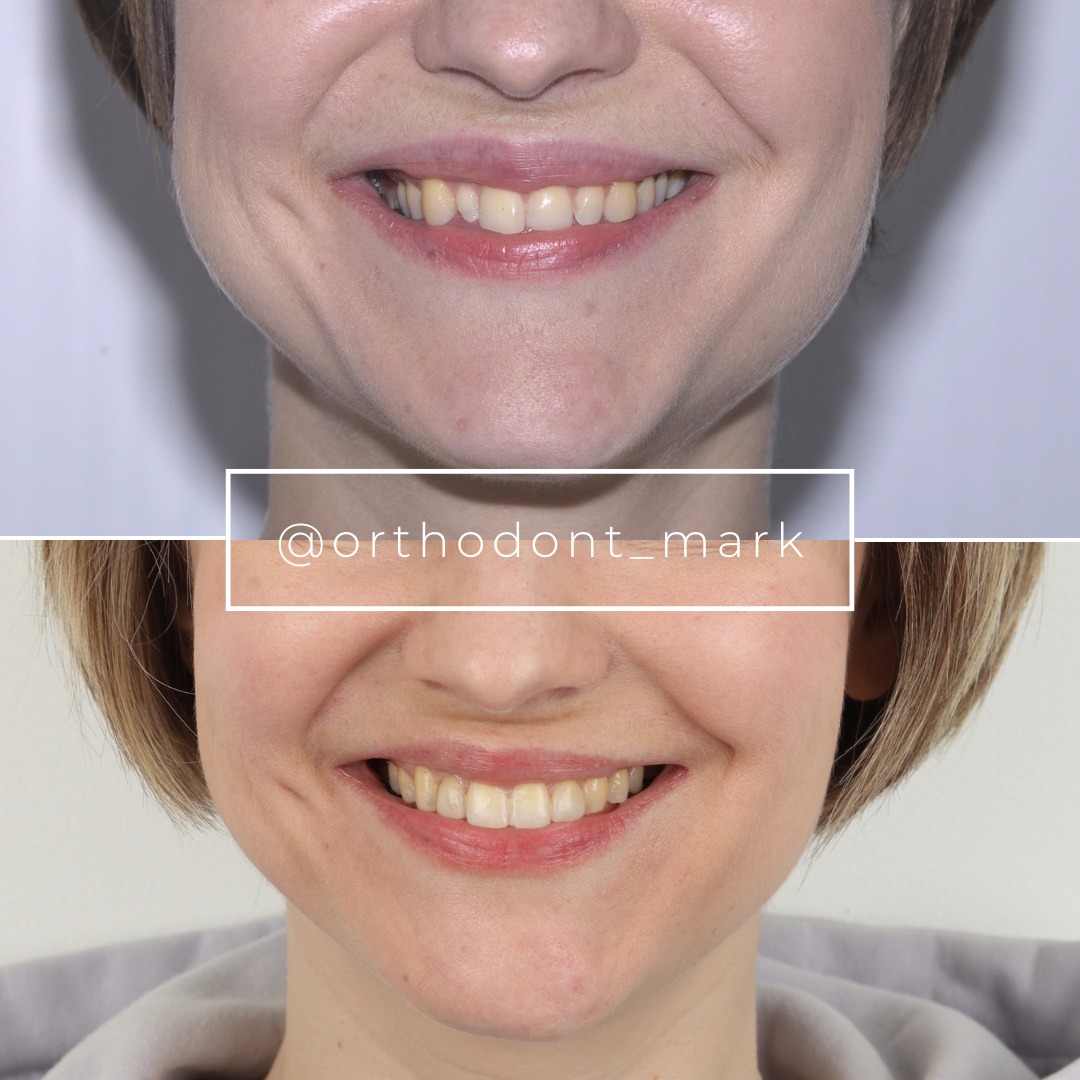
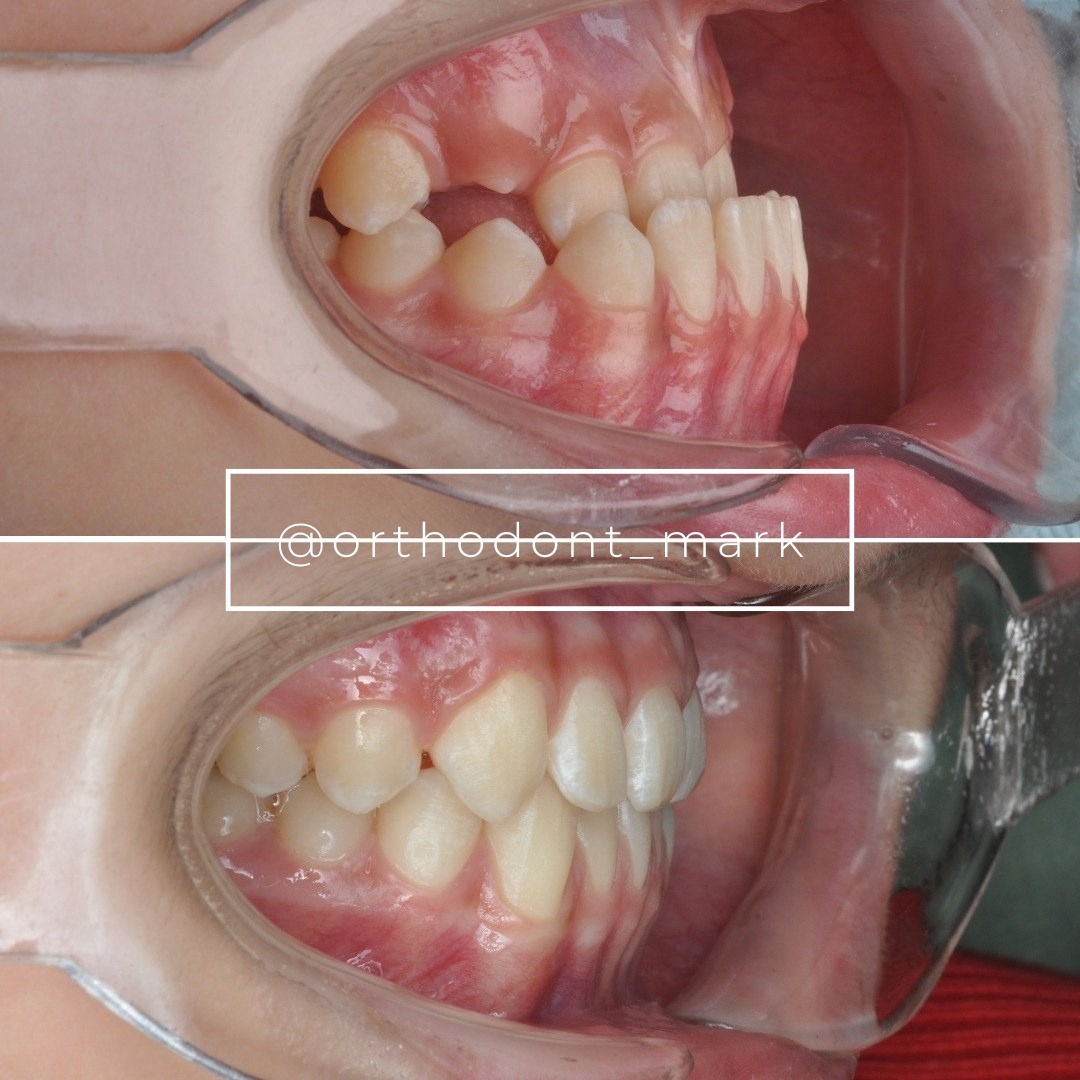
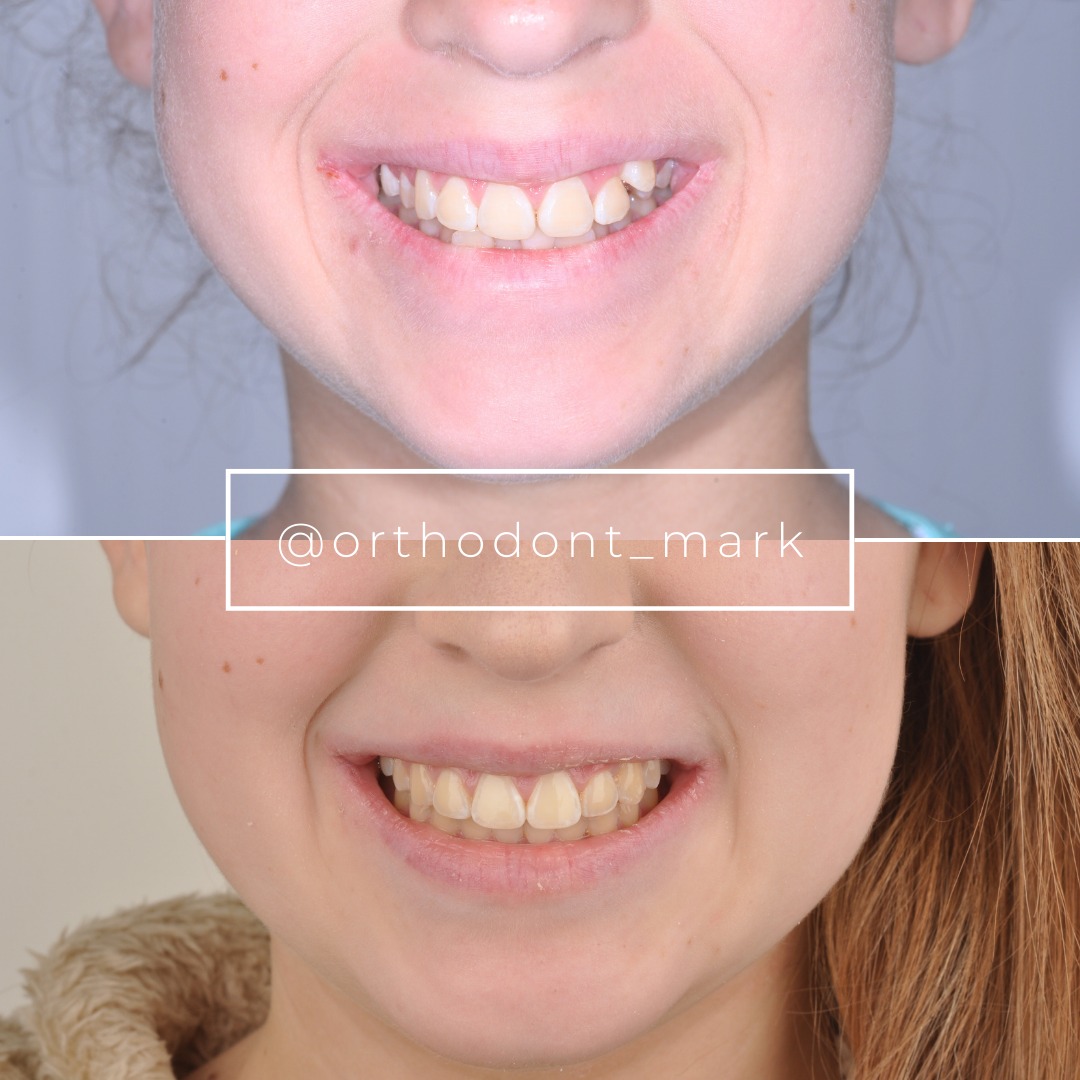
Learn the full MARPE protocol from Dr. Mark Radzhabov
Fundamental course covering CBCT patient selection, miniscrew planning, activation protocols, and 60+ clinical cases. Choose the access level that fits your practice.
Essentials of rapid palatal expansion for practicing orthodontists.
- Core RPE concepts and biomechanics
- 6 structured video lessons
- Clinical decision checklists
- Lifetime access to recordings
Deep-dive into MARPE protocol, diagnostics, and clinical execution.
- 6 modules covering MARPE from A to Z
- CBCT case selection walkthroughs
- Miniscrew placement and activation
- 60+ annotated clinical cases
- Direct Q&A with Dr. Mark Radzhabov
5-element medical consultation framework for dentists and orthodontists.
- Trust-building consultation protocol
- 5 lesson modules
- Templates for treatment plan delivery
- Works with any clinical specialty
Clinical FAQ
When should an orthodontist seek a second opinion before MARPE?
Seek review when CBCT does not clearly support safe TAD placement or predictable skeletal separation, when posterior correction is critical, or when systemic and hygiene risks complicate anchorage.
Which MARPE case review red flags indicate a need for surgical referral?
Key red flags include inadequate palatal bone, root-risking TAD trajectories, unstable anchorage, uncertain suture response, and an expansion pattern unlikely to meet the skeletal objective.
How do borderline expansion cases affect MARPE treatment planning?
Borderline expansion cases require explicit comparison of skeletal goals, dentoalveolar potential, palatal anatomy, appliance design, and the consequences of an incomplete or asymmetric response.
When is surgically assisted expansion preferable to MARPE in adults?
Surgical referral is appropriate when imaging and anchorage assessment cannot support a predictable nonsurgical skeletal plan or when the required transverse correction depends on posterior skeletal response.
Which clinical findings predict unsuccessful skeletal palatal expansion?
No single finding predicts every outcome. Concerning findings include mature-appearing sutures, limited anchorage bone, poor appliance fit, TAD mobility, and risk factors that impair healing or hygiene.
How should CBCT guide MSE skeletal expansion planning?
Use CBCT to assess the median palatal suture, palatal thickness and width, local bone for TADs, root clearance, and the anatomy that may alter the anticipated expansion pattern.
Does TAD mobility require MARPE appliance redesign?
TAD mobility should prompt reassessment of fixation, local bone, insertion trajectory, appliance adaptation, and loading before expansion continues. A stable force path is central to a skeletal objective.
How does skeletal versus dental expansion change a referral decision?
If the required correction exceeds acceptable dentoalveolar compensation, or if tooth movement would create unwanted side effects, reassess whether skeletal expansion or surgical evaluation better fits the case.
What should be included in a MARPE surgical referral?
Include the transverse objective, CBCT interpretation, suture appearance, palatal anchorage assessment, planned appliance design, TAD concerns, medical and hygiene risks, and the specific uncertainty requiring review.
How should an orthodontist counsel a patient about MARPE uncertainty?
Explain the intended skeletal goal, the role of imaging and anchorage, possible incomplete separation or relapse, retention needs, and why a second opinion or surgical consultation may improve decision quality.
A defensible MARPE decision begins with a diagnostic record that supports both skeletal separation and stable TAD anchorage. When that record is incomplete or conflicting, case review is a clinical safeguard rather than a delay. Dr. Mark Radzhabov recommends revisiting CBCT anatomy, appliance fit, systemic risks, and the intended force path before proceeding. Use a formal case review or structured MARPE training when the indication remains borderline. Key sources: Chun · 2022 · BMC Oral Health · doi:10.1186/s12903–022-02138-w. Kinzinger · 2022 · JOrofacOrthop · doi:10.1007/s00056–022-00429-z. Bud · 2023 · Biomedicines · doi:10.3390/biomedicines11123246.