
Initial situation
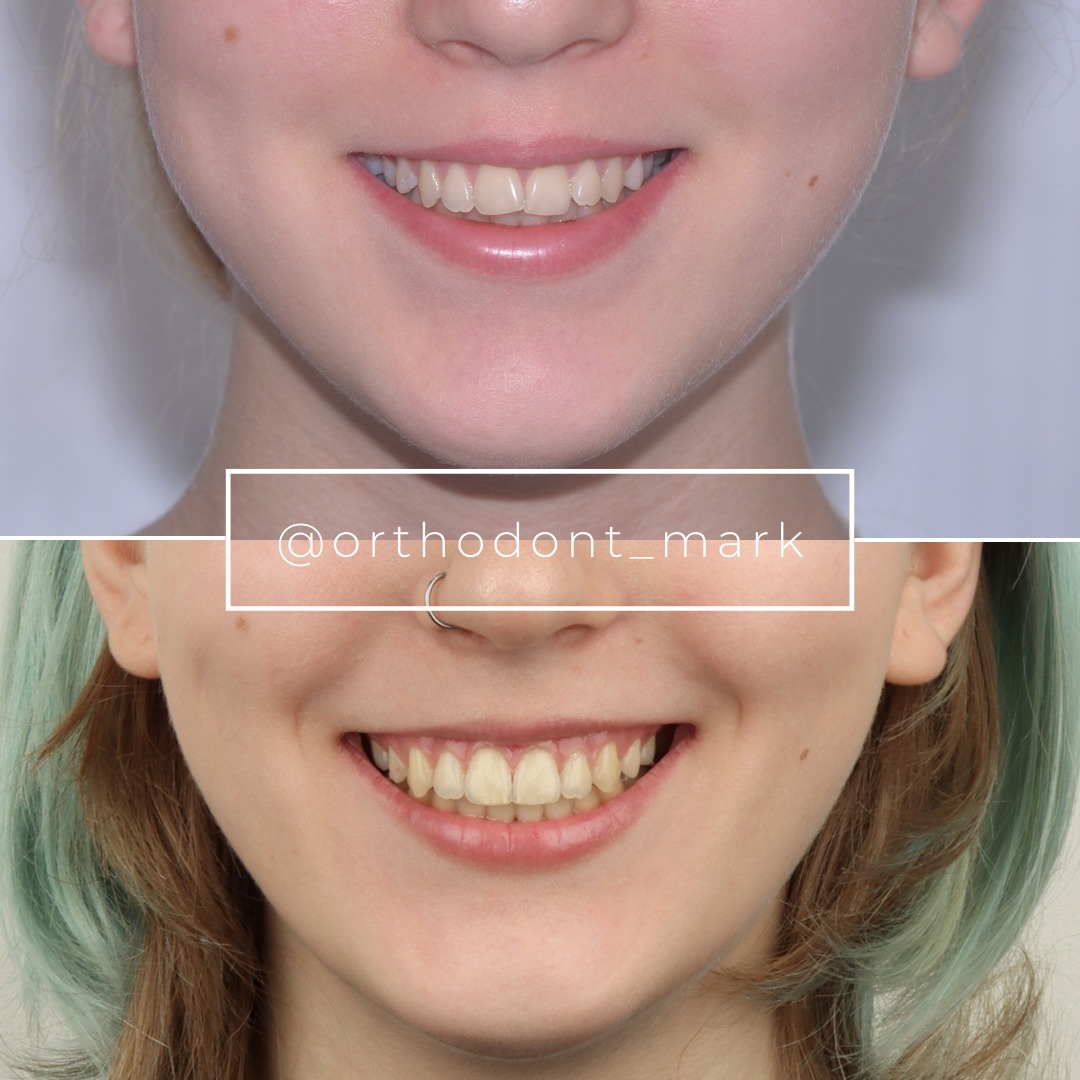
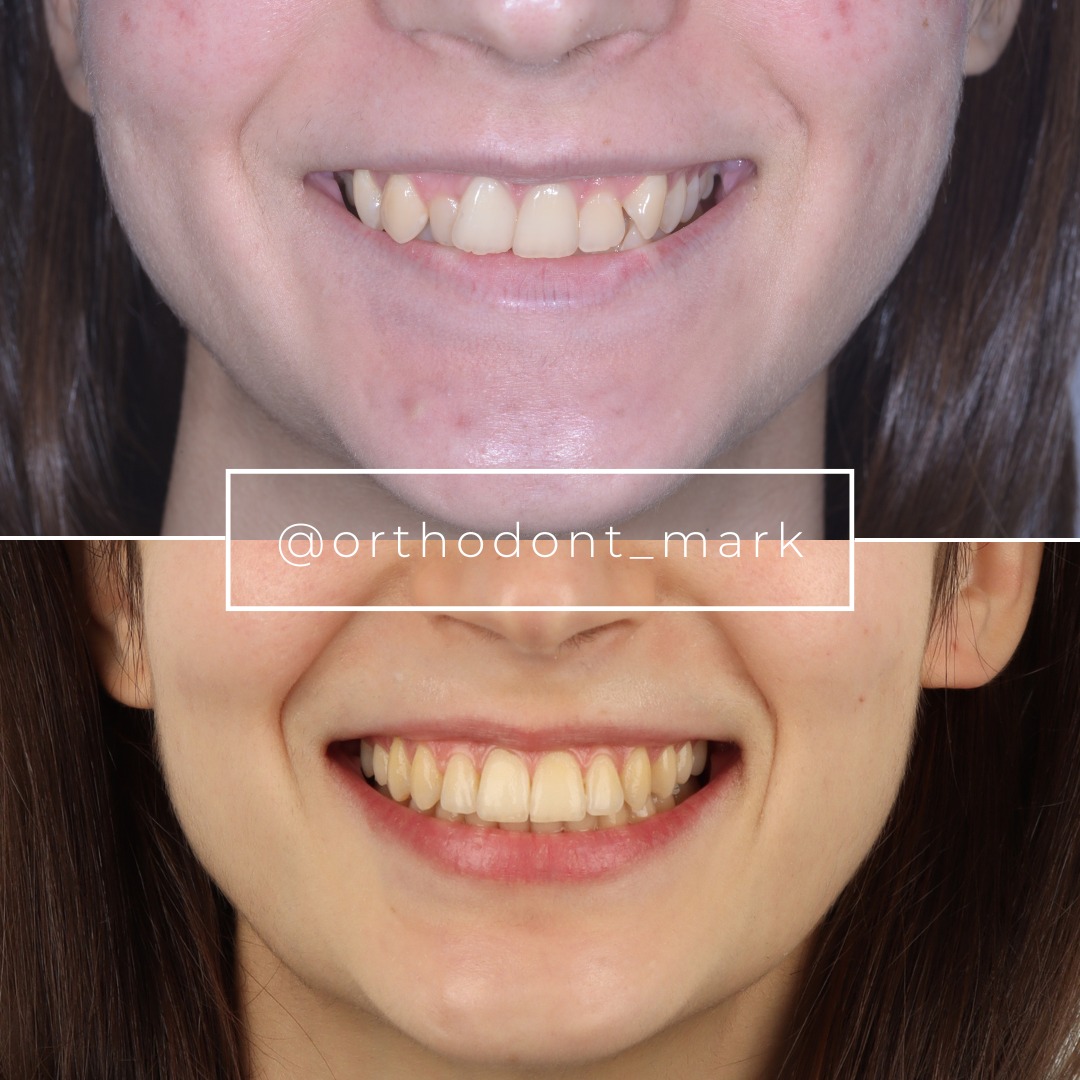
- Concern about an uneven canine tooth
- Canine dystopia linked to early loss of a primary tooth
The decision
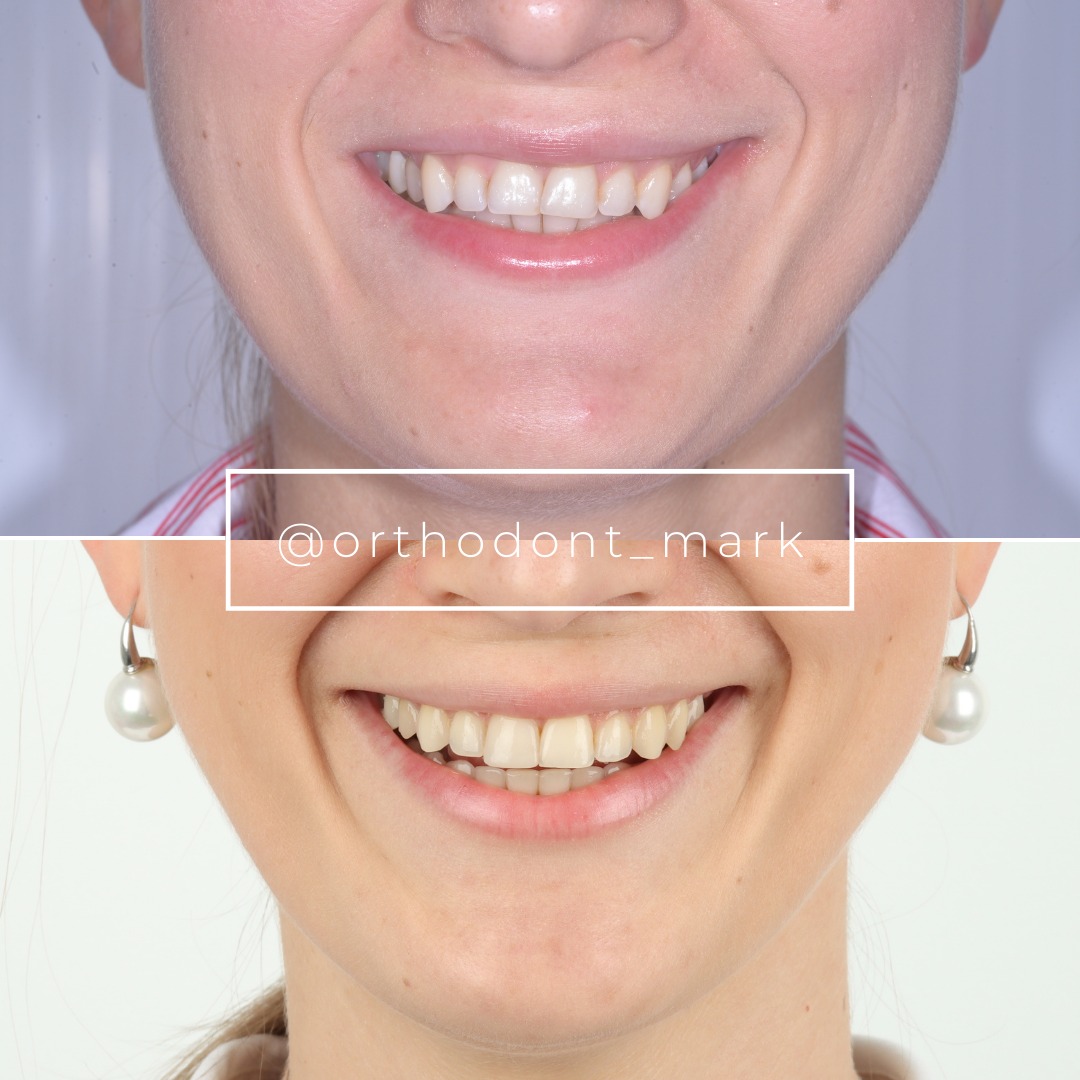
Treatment used the Damon bracket system, addressing the ectopic canine as a common consequence of early primary tooth loss. The canine had erupted into the oral cavity within three to four months of starting treatment.
Gum-level correction was discussed to further refine the esthetic result, but the patient's parents chose not to proceed with that procedure at this stage; that additional step remains an option later if desired.
Even without every elective refinement, a well-planned Damon treatment produced a wide, even, stable smile.
The result
Treatment took 18 months and produced a wide, even smile. A follow-up three years after completion confirmed the result remained stable.
Canine dystopia from early primary tooth loss can be effectively resolved with a standard bracket system, and elective esthetic refinements can be deferred without compromising the core result.
About skeletal expansion & MARPE
Canine dystopia is commonly traced to early loss of a primary tooth and the resulting loss of arch space and guidance. While this case is primarily a space and eruption-guidance problem rather than a transverse skeletal one, arch width and space analysis still factor into how efficiently a displaced canine can be brought into alignment. In cases like this, clinicians typically combine space management with a broader assessment of arch form before finalizing the appliance approach.
Questions clinicians ask
What typically causes canine dystopia?
It is commonly associated with early loss of a primary tooth, which can affect the space and path available for the permanent canine to erupt properly.
Does gum-level correction need to happen at the same time as orthodontic treatment?
Not necessarily. Elective esthetic gum procedures can often be deferred and performed later if the patient wants further refinement.
How long should stability be followed after treating a case like this?
Clinicians often reassess several years after debonding to confirm the alignment and bite have remained stable over time.
Learn the decision-making behind cases like this
Get Dr. Mark Radzhabov's free guide to skeletal-expansion appliances — which appliance to choose at which age — plus a free introductory MARPE lesson.
Get the Free Guide →More clinical cases
Original case shared by Dr. Mark Radzhabov on Instagram @orthodont_mark · Published for professional education.