
MARPE Occlusal Interference vs
Physiologic Settling
A Chairside Assessment Framework
Systematic protocol for distinguishing appliance-driven posterior contacts from expected suture-separation changes at each activation visit.
TL;DR MARPE occlusal interference during active expansion can mimic normal physiologic settling, making chairside differentiation a critical clinical skill. Appliance-driven posterior contacts arise from acrylic footplate height and miniscrew vector, while true settling reflects suture separation and dentoalveolar adaptation. Systematic occlusal assessment at each activation visit prevents misdiagnosis and protects anchorage integrity throughout the expansion sequence.
A patient presents mid-expansion with posterior open contacts and asymmetric occlusal loading — the immediate question is whether this represents MARPE occlusal interference from the appliance footplate or expected physiologic settling as the midpalatal suture separates. Misreading that distinction delays treatment, risks miniscrew failure, and erodes anchorage before consolidation begins. At ortodontmark.com, Dr. Mark Radzhabov addresses precisely this chairside dilemma, drawing on peer-reviewed imaging studies and randomized clinical trials to build a reproducible assessment framework for practicing orthodontists.
What Makes Appliance Interference Different from Normal Settling?
Expander-related occlusal interference is a mechanical disruption of posterior tooth contact caused directly by appliance bulk, footplate height, or force vector during active palatal expansion, as distinct from the transient open-bite created by normal skeletal and dentoalveolar adaptation. Recognizing this difference at the chair — without defaulting to radiography for every activation check — is a foundational skill in bone-borne expansion management. Physiologic settling occurs because midpalatal suture separation simultaneously displaces the maxillary halves inferiorly and laterally, rotating the posterior dentoalveolar segments. This creates a posterior open-bite that resolves progressively as the periodontal ligament and alveolar bone remodel. Chun et al. (2022) documented that midpalatal suture separation occurred in 95% of MARPE patients and 90% of conventional RPE patients, confirming that successful expansion almost always produces some degree of transient occlusal change. Appliance-driven interference, by contrast, persists or worsens despite cessation of activation, is localized to the region of the footplate or acrylic rests, and is often asymmetric — affecting the side where a miniscrew has deflected or where palatal tissue has proliferated under the appliance body. The key chairside differentiator is whether the contact pattern shifts with activation or remains static between turns.
How Should the Clinician Assess Posterior Contacts During Active Expansion?
The assessment sequence begins before the patient opens. Observe the occlusal plane from a posterior-anterior view with teeth in maximum intercuspation: a unilateral cant or a stepwise discrepancy between left and right molar contact points suggests asymmetric force delivery rather than symmetric suture separation. Document the cant direction against the baseline records at every activation visit so drift is caught in its earliest phase. Articulating paper — ideally Bausch 8-micron shimstock combined with 40-micron marking foil — provides a two-tier check. Shimstock identifies the first point of tooth contact and reveals whether it falls on enamel or on acrylic. Marking foil then maps the full occlusal contact field. When the initial contact registers on the appliance footplate rather than on a molar cusp, the clinician is observing direct MARPE occlusal interference, not settling. Selective reduction of acrylic in that zone resolves the mechanical block without altering the expansion mechanics. For the miniscrew-assisted palatal expansion protocol, palpation of each miniscrew head at the check visit adds another layer. Miniscrews that have migrated coronally or show perimucosal inflammation can torque the appliance body, pitching the posterior acrylic into premolar contact. That pattern is exclusively mechanical — physiologic settling never produces unilateral premolar contact with simultaneous molar clearance. Record the finding, photograph the site, and relieve the acrylic before reactivating.
Does the Choice of Expander Affect How Interference Presents Clinically?
Expander Choice
The force pathway of the appliance determines the character of any occlusal disruption. A tooth-borne rapid palatal expander transmits expansion force through molar and premolar bands, making dental tipping and buccal displacement the dominant side effect. The occlusal change is therefore primarily dentoalveolar, and contact alterations track closely with tooth movement. Reviewing the tooth-borne rapid palatal expander mechanics helps contextualize why bone-borne designs were developed to minimize exactly this dental loading. Chun et al. (2022) demonstrated that MARPE produced less buccal displacement of anchor teeth during both expansion and consolidation compared to conventional RPE. This means that when a bone-borne patient presents with unexpected occlusal contact change, the clinician should immediately suspect an appliance-related mechanical cause rather than tooth tipping, because skeletal movement — not dental tipping — is the dominant vector. The differential narrows considerably with MARPE, making systematic checking more precise. Sant'Ana et al. (2016) documented that all surgically assisted patients reported discomfort during midpalatal splitting with a chisel, underscoring that adult patients with dense suture morphology experience pronounced intraoral events during expansion. The same dense bone that makes surgical splitting necessary also concentrates stress at the appliance-tissue interface, increasing the likelihood of tissue impingement and mechanical occlusal interference during non-surgical bone-borne expansion in partially fused sutures.
Why Do Adult Expansion Cases Generate More Occlusal Interference Events?
Adult Cases
Sant'Ana et al. (2016) note that adults increasingly require treatment for skeletal transverse maxillary deficiency, and the anatomical demands of that population differ substantially from adolescents. In a randomized controlled trial of 24 adult patients aged 18.3 to 31.8 years (mean 24.29 years), those who underwent midpalatal splitting showed significantly greater expansion efficacy than those treated without splitting — confirming that resistance at the interdigitated suture, not just sutural width, governs force distribution across the palate. That resistance concentrates stress at the appliance-bone interface during each activation. In a suture that is resisting separation, the applied force does not dissipate symmetrically across the midline. Instead, it loads the posterior and lateral cortical plates asymmetrically, which can torque the appliance body and pitch acrylic footplates into molar or premolar occlusion. The clinician who understands this biomechanical pathway will recognize that interference events are more frequent and less predictable in adults than in adolescent patients. For structured MARPE training for your practice, the implication is that adult case protocols must include an explicit occlusal interference check at every visit — not just when the patient reports discomfort. Patients with partially fused sutures may not perceive mechanical interference as pain during early activation. The clinician's systematic assessment is therefore the only reliable safeguard.
Free Clinical Guide
Which Expansion Appliance at Which Age?
Get Dr. Mark Radzhabov's guide to skeletal-expansion appliances — indications, pros & cons, and how to choose by patient age. Free to your inbox.
Prefer video? Watch the free demo lesson on MARPE appliance types, features and trade-offs.
Documented outcomes
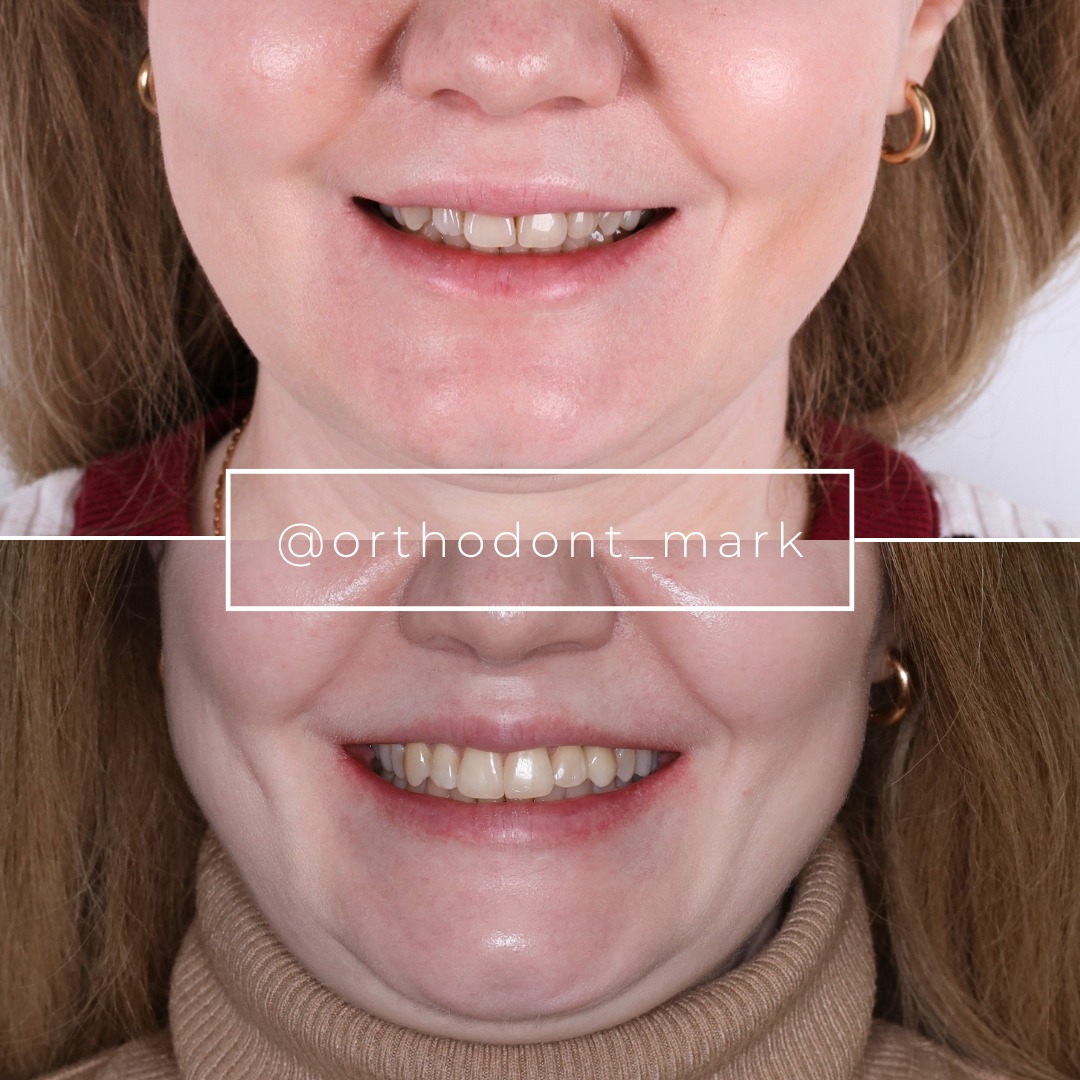
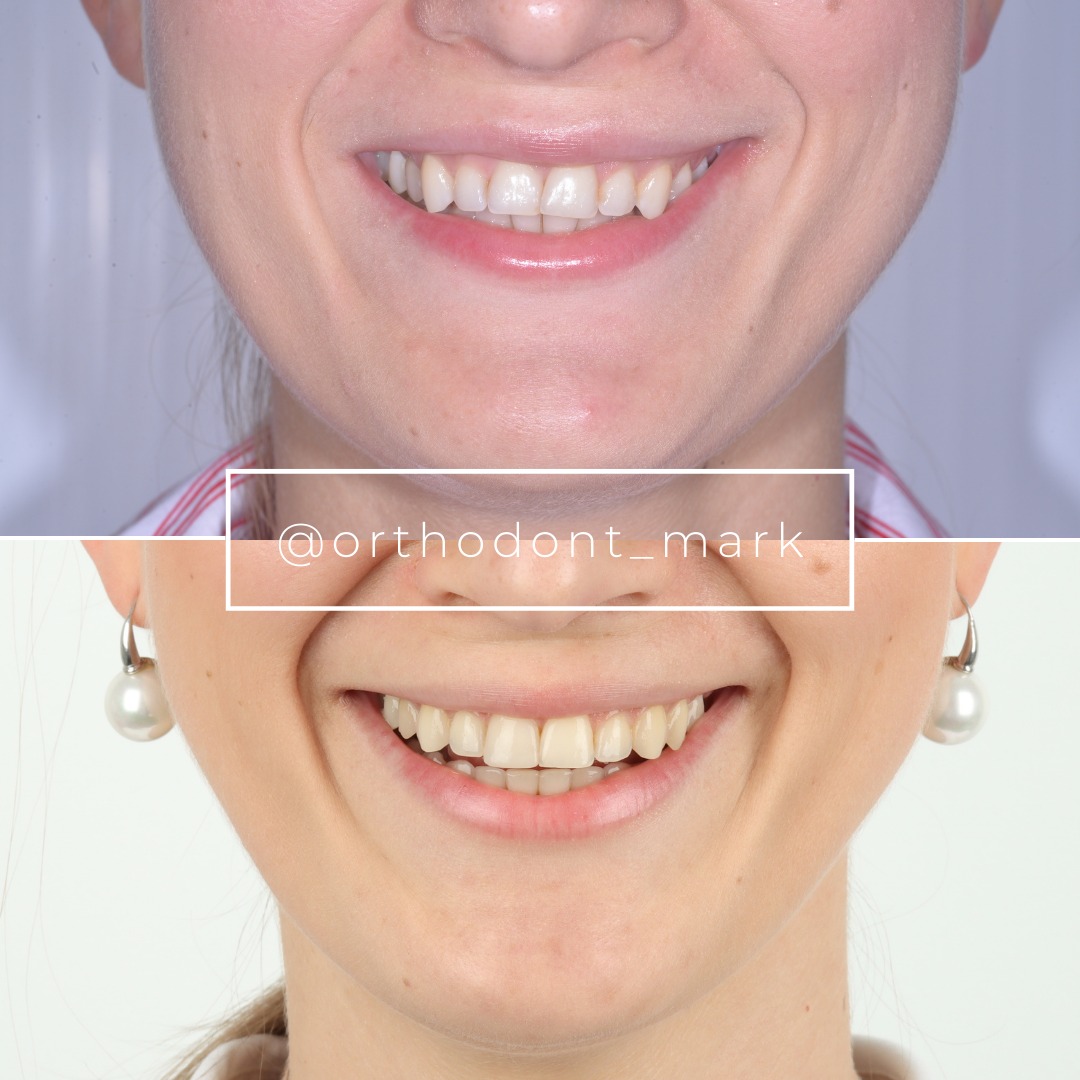
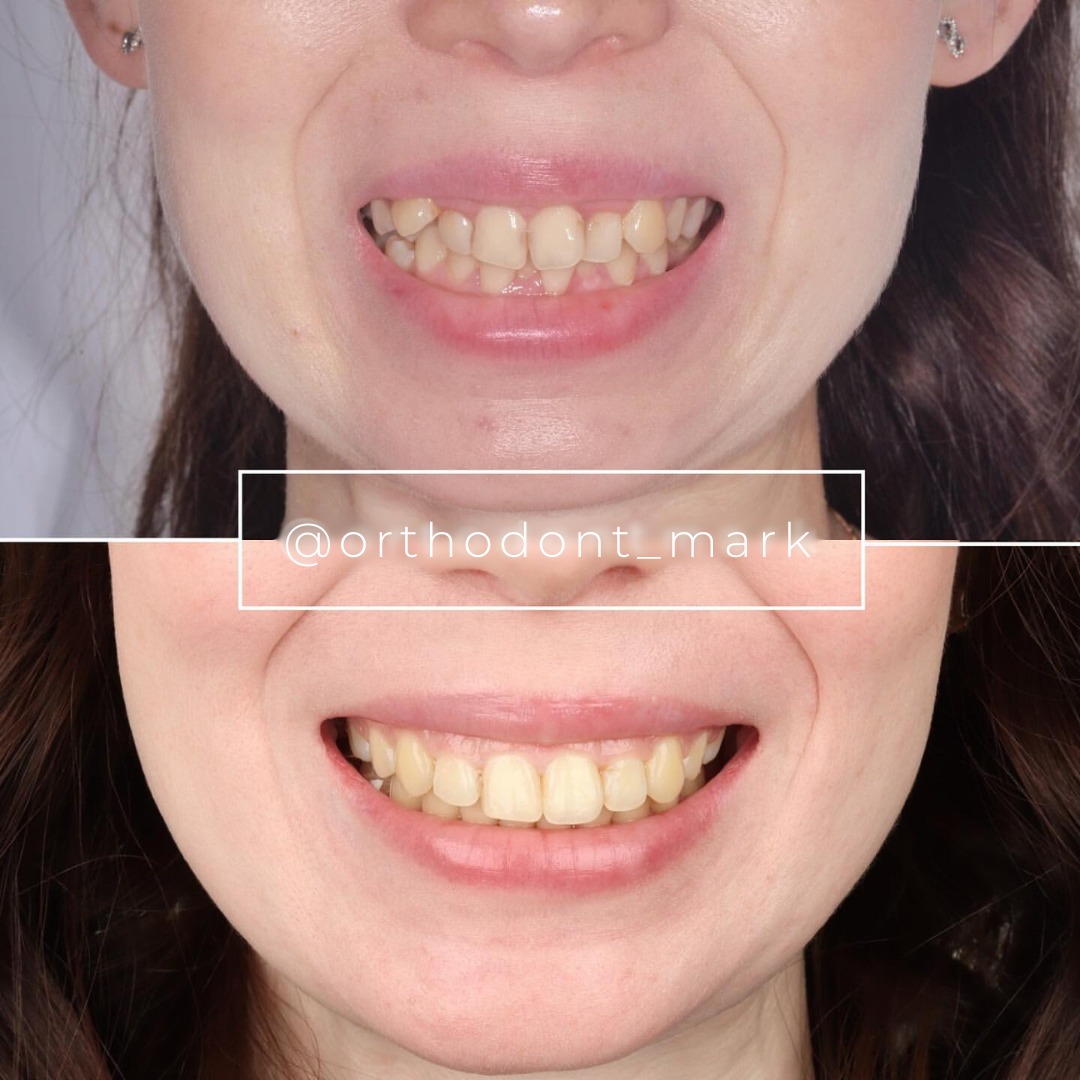
Clinical cases from Dr. Mark Radzhabov's practice
Learn the full MARPE protocol from Dr. Mark Radzhabov
Fundamental course covering CBCT patient selection, miniscrew planning, activation protocols, and 60+ clinical cases. Choose the access level that fits your practice.
Essentials of rapid palatal expansion for practicing orthodontists.
- Core RPE concepts and biomechanics
- 6 structured video lessons
- Clinical decision checklists
- Lifetime access to recordings
Deep-dive into MARPE protocol, diagnostics, and clinical execution.
- 6 modules covering MARPE from A to Z
- CBCT case selection walkthroughs
- Miniscrew placement and activation
- 60+ annotated clinical cases
- Direct Q&A with Dr. Mark Radzhabov
5-element medical consultation framework for dentists and orthodontists.
- Trust-building consultation protocol
- 5 lesson modules
- Templates for treatment plan delivery
- Works with any clinical specialty
Clinical FAQ
How do I distinguish MARPE occlusal interference from physiologic settling at the chairside?
Appliance interference is localized to the footplate region, asymmetric, and does not evolve with activation. Physiologic settling produces a bilateral, progressive posterior open-bite that reflects suture separation and resolves during consolidation. Shimstock contact location — acrylic versus enamel — is the fastest differentiator.
What percentage of MARPE patients experience suture separation that could cause occlusal changes?
Chun et al. (2022) reported midpalatal suture separation in 95% of MARPE patients, confirming that suture-related occlusal change is the expected outcome rather than an adverse event. Persistent or worsening contact after activation completion should redirect suspicion toward a mechanical cause.
Does the bone-borne versus tooth-borne force path change how occlusal interference presents?
Yes. Chun et al. (2022) showed MARPE produces less buccal displacement of anchor teeth than RPE. This means dentoalveolar tipping is a minor contributor to occlusal shift in bone-borne cases. An unexpected contact pattern more likely reflects appliance torque or footplate impingement than tooth movement.
At which activation visits should I formally assess for expander-related occlusal interference?
Every visit during active expansion warrants a structured check — shimstock, articulating paper, and miniscrew palpation. Adult patients with partially fused sutures are especially prone to asymptomatic interference, making clinician-initiated assessment at each turn essential rather than symptom-driven.
How does midpalatal suture maturity affect the frequency of mechanical interference events?
Denser, more interdigitated sutures resist separation and concentrate asymmetric force at the appliance-bone interface. Sant'Ana et al. (2016) demonstrated significantly greater expansion efficacy when midpalatal splitting was performed, confirming that suture resistance — not just patient age — governs force distribution and interference risk.
Can I relieve acrylic footplate contact without compromising MARPE expansion mechanics?
Yes, selective acrylic reduction in the contact zone removes the mechanical block without altering miniscrew angulation or expansion force delivery. The adjustment should be conservative, removing only the interfering surface, and the occlusal contact location should be re-checked with shimstock immediately after relief.
What miniscrew signs at the chairside predict impending appliance torque and occlusal interference?
Coronal migration of the miniscrew head, perimucosal inflammation around the insertion site, or visible rocking of the appliance on palpation indicate that the miniscrew is no longer engaging cortical bone at the intended depth. These signs precede appliance torque and should prompt relief before re-activation.
How does MARPE suture separation compare to conventional RPE for producing occlusal open-bite?
Chun et al. (2022) reported suture separation in 95% of MARPE patients versus 90% of RPE patients. Both protocols routinely produce transient posterior open-bite. The key clinical difference is that MARPE's bone-borne anchorage limits the dental tipping component, narrowing the differential toward skeletal and mechanical causes.
Is occlusal interference during SARPE or SARME managed differently than in non-surgical expansion?
Sant'Ana et al. (2016) noted that all SARME patients under local anesthesia reported discomfort during surgical midpalatal splitting with a chisel. In surgical cases, occlusal interference is often a direct consequence of acute skeletal displacement. Chairside assessment principles remain the same, but tissue management and miniscrew seating carry added complexity.
What documentation should I keep when recording occlusal interference events during active MARPE expansion?
Record occlusal cant direction, shimstock contact location (enamel versus acrylic), miniscrew head position, and any acrylic relief performed at each visit. Photographic documentation of the marking foil print and the appliance footplate provides an objective longitudinal record that supports case review and protocol adjustment.
Distinguishing appliance-driven occlusal interference from physiologic settling is not a minor footnote — it is a decision point that shapes activation frequency, anchorage management, and the timing of the consolidation phase. Clinicians who systematize this chairside check reduce the risk of premature appliance modification and protect the skeletal gains that bone-borne expansion delivers. Dr. Mark Radzhabov encourages colleagues to bring challenging expansion cases to a structured case review, where protocol details can be evaluated against current imaging evidence. Key sources: Sant'Ana et al., 2016, Int. J. Oral Maxillofac. Surg., doi:10.1016/j.ijom.2016.03.005. Chun et al., 2022, BMC Oral Health, doi:10.1186/s12903–022-02138-w. Sarraj et al., 2021, APOS Trends in Orthodontics, doi:10.25259/APOS_160_2020.