
MARPE Alveolar Bone Loss:
Transient
or Permanent Buccal Plate Change?
A CBCT-grounded review of which expansion studies distinguish genuine periodontal harm from expected skeletal remodeling — for clinicians making case-selection decisions.
TL;DR MARPE alveolar bone loss is a documented CBCT finding, but separating transient buccal plate remodeling from permanent resorption requires carefully controlled follow-up imaging. Chun et al. (2022) showed MARPE produces significantly less anchor-tooth displacement than RPE. Understanding which skeletal changes resolve through consolidation guides safer case selection.
A buccal plate defect visible on post-expansion CBCT raises an immediate clinical question: is this remodeling in progress, or permanent alveolar bone loss? For clinicians integrating MARPE into practice, that distinction drives consent conversations, appliance selection, and retention planning. At ortodontmark.com, Dr. Mark Radzhabov distills the peer-reviewed imaging evidence to help practitioners identify which CBCT findings are transient responses to skeletal loading and which represent changes that persist through consolidation. Reading the studies correctly is the prerequisite for responsible expansion.
Why Does MARPE Alveolar Bone Loss Appear on CBCT
and What Does It Actually Mean?
MARPE alveolar bone loss is a radiographically observed reduction in buccal cortical plate thickness or height at anchor teeth following miniscrew-assisted rapid palatal expansion, classified as transient when it resolves during consolidation or permanent when it persists on follow-up CBCT. The distinction matters because transient buccal plate thinning reflects the same piezoelectric remodeling front that opens the midpalatal suture, while genuine resorption signals excessive tipping force or inadequate bone support at the anchor site. The force pathway in bone-borne expansion anchors miniscrews in the hard palate, directing load through cortical bone rather than exclusively through the periodontal ligament of the posterior teeth. That mechanical advantage is what makes MARPE preferable to conventional RPE in dentally compromised arches, but it does not eliminate all alveolar loading — the appliance still contacts the palatal mucosa and can transmit lateral vectors to adjacent roots if screw placement is suboptimal. CBCT timing is the primary methodological variable that separates studies reporting alarming bone loss from those reporting recovery. Imaging taken immediately after active expansion captures peak remodeling activity. Imaging deferred to post-consolidation captures the net biological outcome. A trial that stops at expansion end will overstate permanent harm. Clinicians reading the literature must first identify the imaging schedule before accepting a study's conclusion about buccal plate change.
Which Controlled Studies Isolate Buccal Plate
Displacement
as the Key Outcome Variable?
The most directly applicable controlled evidence comes from Chun et al. (2022), a prospective randomized clinical trial that imposed standardized loading — both groups received identical 35 turns of expansion — and scheduled CBCT at three defined time points: baseline, immediately post-expansion, and after a 3-month consolidation period. That design is the minimum required to separate a transient from a permanent buccal plate change, because you need at least one imaging session after active force has ceased. The primary finding relevant to alveolar bone loss was that MARPE showed significantly less buccal displacement of anchor teeth during both expansion and consolidation compared to RPE. Less displacement at the anchor teeth implies a smaller tipping vector transmitted to the buccal alveolar crest — mechanically, a thinner remodeling front and a lower probability that apparent CBCT bone loss persists. Chun et al. (2022) also found MARPE demonstrated significantly greater increases in molar nasal width and palatine foramen width, confirming that skeletal gain was achieved with reduced dentoalveolar compromise. Suture separation rates contextualize these displacement findings. Chun et al. (2022) recorded midpalatal suture separation in 90% of RPE patients and 95% of MARPE patients, confirming true skeletal opening in the overwhelming majority of both groups. Sarraj et al. (2021) reported midpalatal suture separation at a 100% success rate in both the MSE and BAME groups studied, underscoring that modern bone-borne devices reliably open the suture — making incomplete separation an unlikely explanation for residual alveolar changes when correct protocols are followed.
How Study Design Determines Whether Bone Loss Looks
Transient
or Permanent in the Literature
The methodological lesson from Chun et al. (2022) is that both the activation protocol and the imaging schedule must be standardized before drawing conclusions about permanent versus transient buccal plate change. When both groups receive identical 35 turns and CBCT is collected at three time points — baseline, post-expansion, and after 3 months of consolidation — the researcher can attribute differences in bone change to the appliance type rather than to dosing variation or observation bias. Kinzinger et al. (2022) approached the question differently, using CBCT analysis of 9 patients aged 7.3 to 13.8 years to evaluate age-dependent suture responses during RME. That age window is clinically relevant because bone architecture at the midpalatal suture changes substantially across the range of 7.3 to 13.8 years, which affects how force distributes across the alveolar crest. Younger patients show more sutural patency and less buccal cortical resistance, altering the remodeling pattern that appears on post-expansion imaging. A scoping review by Benetti et al. (2024) adds the nasal dimension to the picture: airway volume changes are a documented systemic effect of MARPE that appear alongside any alveolar changes recorded in the same patients. Interpreting alveolar bone loss data in isolation, without accounting for the three-dimensional skeletal displacement captured on the same CBCT volume, risks mischaracterizing the net biological event. Both the alveolar findings and the airway findings arise from the same midpalatal force application — a single scan should inform both assessments.
What CBCT Findings Should Prompt Concern About
Permanent
Buccal Plate Loss After Expansion?
On post-expansion CBCT, the buccal alveolar crest at the first molar and first premolar is the primary landmark for assessing alveolar bone loss risk. Transient changes typically present as reduced buccal cortical density without crest height loss. The cortex thins but the cementoenamel junction–to–crest distance remains within accepted periodontal parameters. When that vertical distance increases beyond baseline and persists on the consolidation-phase scan, the finding crosses from expected remodeling into a category warranting clinical follow-up with periodontal probing. Anchor-tooth buccal displacement is the single most reliable proxy for alveolar crest loading. Chun et al. (2022) demonstrated that MARPE produced significantly less buccal anchor-tooth displacement than RPE across both the expansion and consolidation phases, which means lower mechanical shear at the buccal alveolar crest. Practitioners using tooth-borne expanders in older adolescents or adults should weigh this evidence when evaluating whether apparent buccal plate thinning on a mid-treatment CBCT is device-driven or patient-specific. Suture separation confirmation is also relevant: confirmed midpalatal suture separation, such as the rates documented by Chun et al. (2022) and the complete separation reported by Sarraj et al. (2021), indicates that the expansion force was distributed skeletally rather than absorbed entirely by the dentoalveolar unit. Cases with incomplete or absent suture opening carry a higher probability that alveolar bone absorbed the full mechanical load — and that buccal plate changes in those cases are more likely to be permanent than transient.
Where Do Evidence Gaps Leave Clinicians on Long-Term
Alveolar
Bone Resorption After MARPE?
The existing controlled trials establish the short-term hierarchy clearly: MARPE produces less anchor-tooth displacement and less buccal plate loading than conventional RPE, and a 3-month consolidation window captures meaningful recovery. What the current published record does not yet provide is long-term periodontal follow-up beyond that consolidation phase. Whether any residual alveolar bone loss after MARPE stabilizes permanently or continues to remodel over years remains a qualitative inference rather than a measured outcome in the available literature. Age-dependent variation in alveolar bone resorption after MARPE is a related gap. Kinzinger et al. (2022) examined suture responses across patients aged 7.3 to 13.8 years using CBCT, but the adult range — where cortical bone is denser and the midpalatal suture is more resistant — has fewer controlled imaging studies with both post-expansion and post-consolidation CBCT included. Clinicians treating adults should recognize that the protective remodeling capacity documented in younger patients may not translate directly. For practice decision-making, the evidence supports a clear minimum standard: any case involving MARPE-induced skeletal expansion should include CBCT at consolidation, not only at the expansion endpoint. That single protocol adjustment converts a cross-sectional impression into a longitudinal measurement and allows the clinician to separate transient from potentially permanent buccal plate change with actual data rather than assumption. Reviewing current cases against that standard is a practical first step available to any practitioner today.
Free Clinical Guide
Which Expansion Appliance at Which Age?
Get Dr. Mark Radzhabov's guide to skeletal-expansion appliances — indications, pros & cons, and how to choose by patient age. Free to your inbox.
Prefer video? Watch the free demo lesson on MARPE appliance types, features and trade-offs.
Documented outcomes
Clinical cases from Dr. Mark Radzhabov's practice
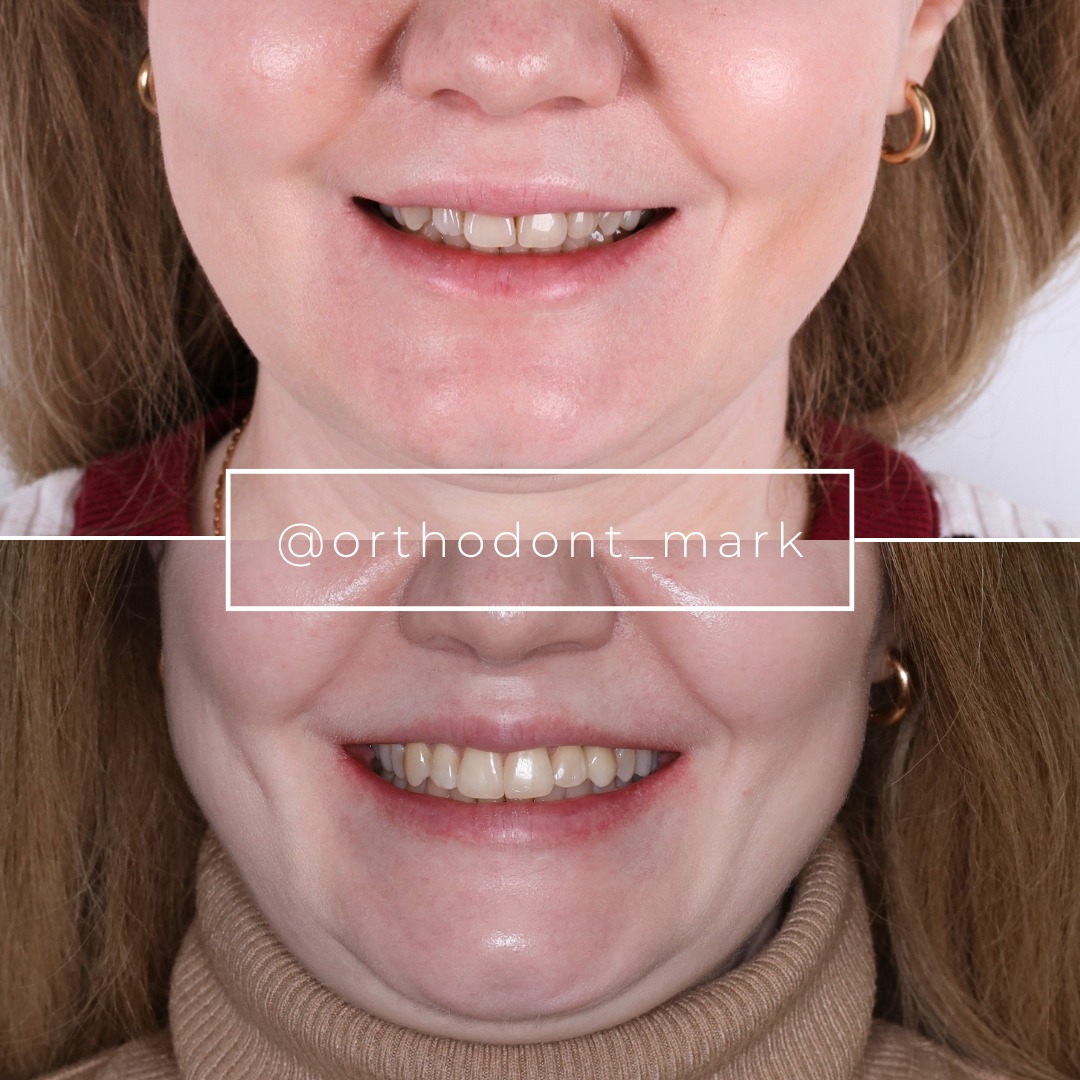
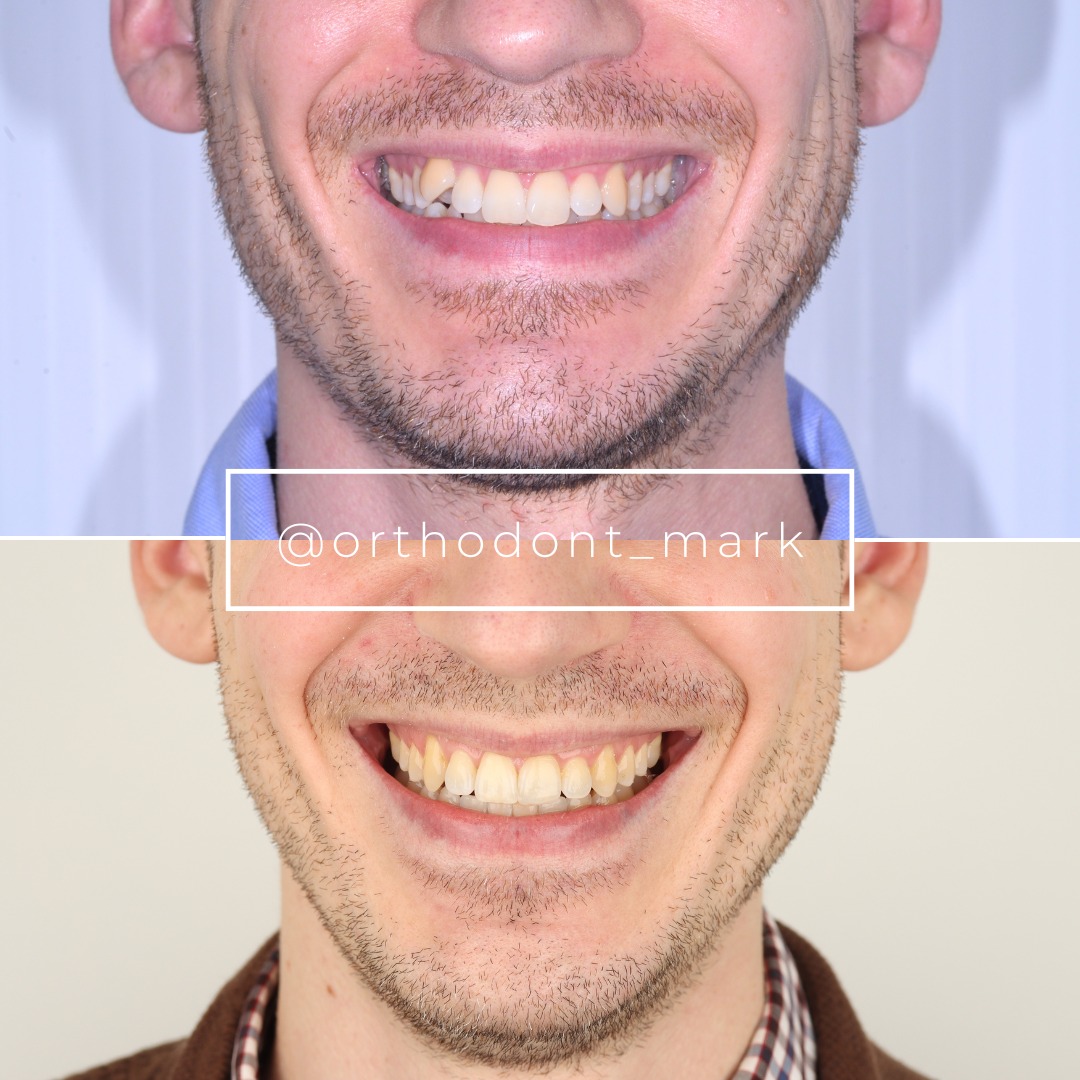
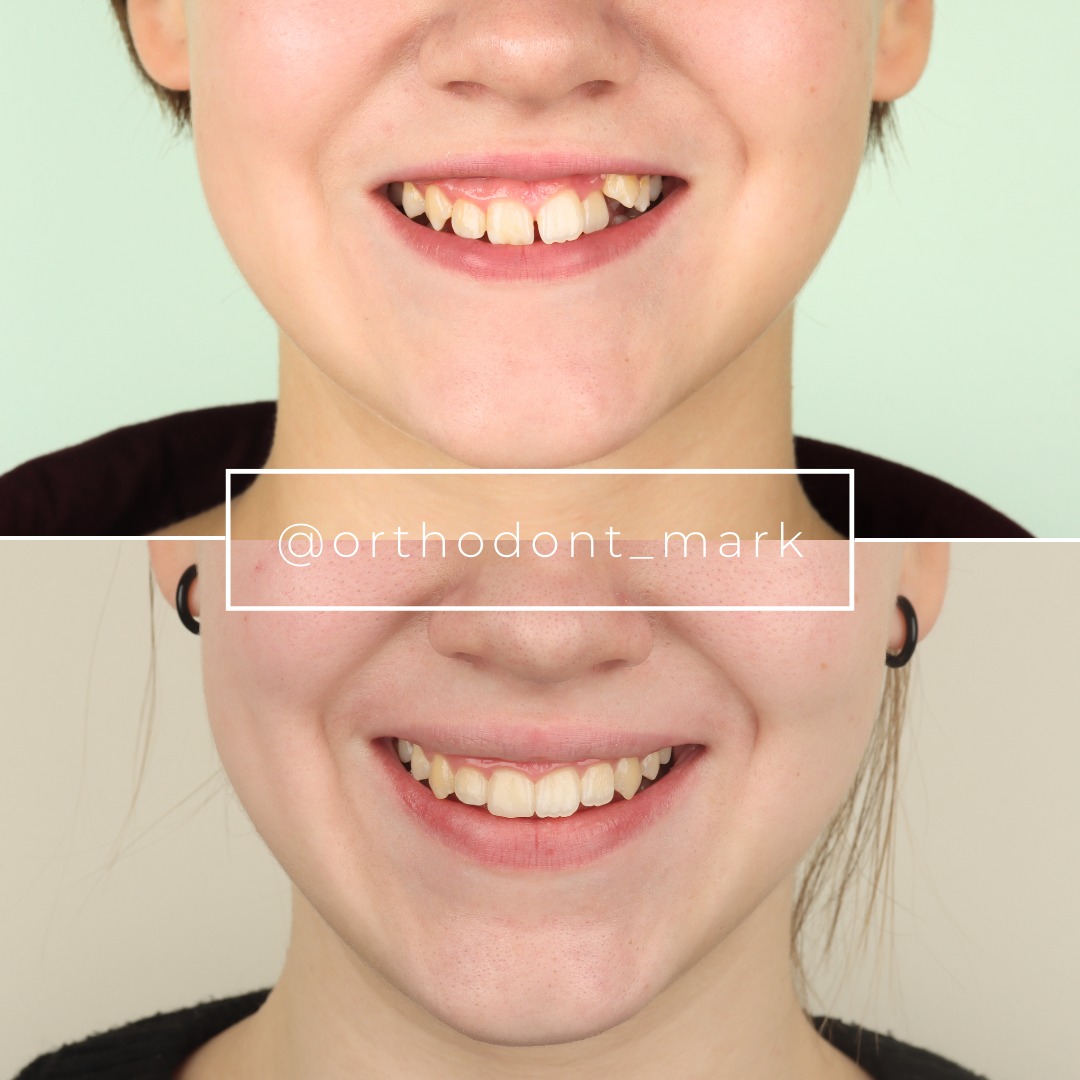
Learn the full MARPE protocol from Dr. Mark Radzhabov
Fundamental course covering CBCT patient selection, miniscrew planning, activation protocols, and 60+ clinical cases. Choose the access level that fits your practice.
Essentials of rapid palatal expansion for practicing orthodontists.
- Core RPE concepts and biomechanics
- 6 structured video lessons
- Clinical decision checklists
- Lifetime access to recordings
Deep-dive into MARPE protocol, diagnostics, and clinical execution.
- 6 modules covering MARPE from A to Z
- CBCT case selection walkthroughs
- Miniscrew placement and activation
- 60+ annotated clinical cases
- Direct Q&A with Dr. Mark Radzhabov
5-element medical consultation framework for dentists and orthodontists.
- Trust-building consultation protocol
- 5 lesson modules
- Templates for treatment plan delivery
- Works with any clinical specialty
Clinical FAQ
How do I differentiate transient from permanent buccal plate change on CBCT after MARPE?
Compare buccal cortical density and CEJ-to-alveolar-crest distance across at least two scans: one immediately post-expansion and one after a consolidation period. Reduced density alone is expected remodeling. An increased CEJ-to-crest distance that persists on the consolidation scan signals a potentially permanent alveolar bone loss finding requiring periodontal assessment.
Which study design provides the strongest evidence on MARPE alveolar bone loss outcomes?
A prospective randomized trial with standardized activation and CBCT at baseline, post-expansion, and post-consolidation — the design used by Chun et al. (2022). That three-timepoint structure is essential. Studies imaging only at expansion end cannot distinguish transient remodeling from permanent buccal plate change.
Does MARPE cause less buccal displacement of anchor teeth than conventional RPE?
Yes. Chun et al. (2022) demonstrated MARPE produced significantly less buccal displacement of anchor teeth than RPE during both expansion and consolidation phases, which reduces shear stress at the buccal alveolar crest and lowers the mechanical driver of buccal plate bone loss.
What suture separation rates are reported for MARPE versus RPE in controlled trials?
Chun et al. (2022) reported midpalatal suture separation in 95% of MARPE patients and 90% of RPE patients using identical 35-turn protocols. Sarraj et al. (2021) reported 100% suture separation in both MSE and BAME groups, confirming that modern bone-borne devices reliably achieve skeletal opening.
How does patient age affect alveolar bone remodeling during rapid palatal expansion?
Kinzinger et al. (2022) evaluated suture responses via CBCT in patients aged 7.3 to 13.8 years and found age-dependent differences in how force distributes across the alveolar crest. Younger patients with more sutural patency show different remodeling patterns than older patients with denser cortical bone architecture.
What is the minimum consolidation period before scheduling follow-up CBCT after MARPE?
Chun et al. (2022) used a 3-month consolidation interval as the post-expansion imaging timepoint in their prospective trial. That interval captures meaningful bone remodeling recovery and is the current evidence-based benchmark for determining whether apparent post-expansion buccal plate change is transient or persistent.
Is confirmed midpalatal suture separation a protective factor against permanent alveolar bone loss?
Mechanically, yes. When suture separation is confirmed on CBCT — as in Chun et al. (2022) and Sarraj et al. (2021) — expansion force distributed skeletally rather than through the dentoalveolar unit, reducing the alveolar crest loading that drives permanent buccal plate resorption in cases with incomplete suture opening.
Does MARPE skeletal expansion also produce measurable nasal airway changes alongside alveolar findings?
Yes. Benetti et al. (2024) documented both findings in the same patients: nasal cavity volume increases and nasopharyngeal volume changes occur as part of the same three-dimensional skeletal displacement recorded on CBCT. Interpreting alveolar changes in isolation from airway data underrepresents the full biomechanical event.
How does MARPE affect molar nasal width and palatine foramen width compared to RPE?
Chun et al. (2022) found MARPE demonstrated significantly greater increases in molar nasal width and greater palatine foramen width than RPE after both expansion and consolidation, confirming superior skeletal gain in those dimensions with a simultaneously reduced anchor-tooth displacement burden.
What CBCT criteria indicate alveolar bone loss after MARPE has crossed from remodeling into a clinical concern?
The key threshold is a persistent increase in CEJ-to-alveolar-crest distance on post-consolidation CBCT, combined with buccal cortical dehiscence at anchor teeth. Reduced cortical density without vertical crest loss is consistent with transient remodeling. Vertical loss that does not recover through consolidation warrants periodontal probing and documentation.
The available CBCT evidence consistently supports MARPE as producing less dentoalveolar side-effect burden than conventional RPE when patient selection and imaging interpretation are rigorous. Correctly staging suture maturity, verifying separation at the midpalatal suture, and scheduling follow-up imaging through the consolidation window are the clinical habits that separate acceptable remodeling from preventable harm. Dr. Mark Radzhabov encourages colleagues to review their current expansion cases against these criteria and to seek structured MARPE training before expanding the age range of their candidate pool. Key sources: Chun et al., 2022, BMC Oral Health, doi:10.1186/s12903–022-02138-w. Benetti et al., 2024, Dentistry Journal, doi:10.3390/dj12030060. Sarraj et al., 2021, APOS Trends in Orthodontics, doi:10.25259/APOS_160_2020.