
Transpalatal Arch Anchorage MARPE
vs Nance
Documented Indications for Pre-Expansion Anchorage Augmentation
Evidence-based indications for choosing between a transpalatal arch and a Nance holding arch before skeletal expansion with MARPE.
TL;DR Transpalatal arch anchorage MARPE preparation and Nance holding arch selection depend on case-specific biomechanical demands before skeletal expansion. Bone-borne MARPE reduces buccal tooth displacement compared to tooth-borne RPE, per Chun et al. (2022), yet auxiliary anchorage devices remain relevant when dental stability during pre-expansion loading is compromised.
When planning transpalatal arch anchorage MARPE cases, clinicians face a decision that precedes miniscrew placement: which auxiliary anchorage device—transpalatal arch or Nance holding arch—best stabilizes the posterior dentition during the preparatory phase? Dr. Mark Radzhabov at ortodontmark.com addresses this question using peer-reviewed imaging and clinical trial data, because choosing incorrectly risks anchor tooth displacement before the skeletal expansion phase even begins. Understanding the documented indications for each appliance helps orthodontists sequence treatment more precisely and protect the biomechanical environment that MARPE depends on.
What Does Each Anchorage Device
Actually
Resist During Palatal Expansion Loading?
A transpalatal arch is a rigid stainless-steel bar spanning the palatal vault between the maxillary first molars, designed to resist mesial rotation, buccal tipping, and transverse displacement of anchor teeth under expansion loading. Its rigidity makes it the preferred choice when the clinical presentation includes severely rotated or proclined first molars that would otherwise deflect under the transverse force vector of a bone-borne expander. The Nance holding arch, by contrast, contacts the anterior palatal mucosa with an acrylic button resting against rugae, distributing anchorage load across soft tissue as well as the banded molars. This design resists mesial drift effectively but provides less rotational control than a rigid transpalatal bar. Clinicians should therefore evaluate anchor molar rotation angle and axial inclination before selecting between these two appliances. Neither device eliminates the inherent dental component of expansion force. Even with bone-borne MARPE, Chun et al. (2022) demonstrated that MARPE produced significantly less buccal displacement of anchor teeth than RPE (p < 0.05), confirming that force path matters—but also confirming that some dental displacement remains, which is precisely what auxiliary anchorage is intended to minimize during the preparatory phase.
How Suture Closure Stage Changes
Anchorage
Demand Before MARPE Activation
Govaerts et al. (2023) found that at age 15, stages D and E midpalatal suture closure were present in 61% of females, a finding that reframes anchorage planning: in patients with advanced suture interdigitation, the initial activation cycles load the dental anchor units heavily before the sutural resistance is overcome. This elevated dental load during the lag phase is precisely when auxiliary anchorage provides its greatest return. Pterygomaxillary suture calcification compounds this demand. Govaerts et al. (2023) documented closure rates of 83–100% in females aged 13–17 years across the pterygomaxillary region, meaning that resistance is not limited to the midpalatal suture alone. When both sutures are maturing simultaneously, the transverse force that the anchor molars absorb before any skeletal movement occurs is clinically significant—a transpalatal arch in this context resists the rotational moment that builds during early activation. Sex-based differences in suture maturation also affect anchorage planning timing. Jeon et al. (2022) showed that older age was significantly associated with MARPE suture nonseparation in males (p = 0.001) but not in females (p = 0.221), implying that male patients approaching skeletal maturity face a longer load-without-separation phase, amplifying the case for robust pre-expansion anchorage preparation in that subgroup.
Documented Indications: Which Pre-Expansion
Anchorage
Device Fits Which Clinical Presentation?
The transpalatal arch carries a clear indication in patients with Class II subdivision presentations where the anchor molar on the narrower side has drifted mesially and rotated buccally. In this scenario, a Nance arch cannot generate adequate rotational counter-moment, and the mesial drift resistance it offers is insufficient relative to the rotational correction the expansion phase demands. The Nance holding arch earns its indication when the clinical priority is space maintenance alongside anchorage reinforcement—particularly in mixed-dentition patients or early adolescents being prepared for a future MARPE case after eruption of the second molars. In these cases, the acrylic button distributes force more broadly, and the appliance is easier to maintain hygienically over longer preparatory periods. Note that Govaerts et al. (2023) recommended cut-off ages of 15.1 years (orthodontists) and 14.8 years (surgeons) for transitioning from conventional to surgically assisted expansion, underscoring that preparatory timing windows are narrow. For evidence-based MARPE protocols and miniscrew mechanics, orthodontists planning complex cases should confirm their anchorage device selection against CBCT-derived suture staging data. When Jeon et al. (2022) analyzed 215 subjects across a 6–60 year age range—95 males and 120 females—the sex-stratified separation rates (61.05% male vs. 94.17% female) reinforced that anchorage planning cannot be uniform across the patient population.
Does Bone-Borne MARPE Eliminate the Need for
Auxiliary
Anchorage Augmentation Entirely?
A common assumption is that MARPE's palatal miniscrews transfer force directly to basal bone, rendering dental anchorage reinforcement unnecessary. The randomized trial evidence complicates this view. Chun et al. (2022) reported that while MARPE produced greater maxillary width at both first premolars and molars compared to RPE (p < 0.05), measurable buccal displacement of anchor teeth still occurred in both groups—MARPE simply produced less of it. This residual dental effect is what pre-expansion anchorage augmentation is designed to manage. The experimental model provided by Klytong (2010) offers a useful perspective on the gap between device prescription and actual tissue response: in a rabbit model, actual suture expansion averaged 3.72–4.45 mm across retention periods versus the expected 5.6 mm from the distraction device. The mechanical shortfall—approximately 1.1–1.9 mm—represents elastic rebound absorbed partly by periodontal ligament and alveolar bone, the same tissues that auxiliary anchorage devices protect. Understanding this rebound dynamic helps explain why stabilizing the dental units before MARPE activation is a biomechanically rational step, not a redundant one. Clinicians adding tooth-borne rapid palatal expansion sequencing experience to their case mix will find that the principles of anchorage management transfer directly when transitioning to bone-borne systems. The banding technique, molar preparation, and inter-appointment monitoring schedule carry over. What changes is the location of the primary force application point.
Sequencing Transverse Anchorage Augmentation
Before
MARPE Placement: A Clinical Protocol Framework
The practical sequence begins with CBCT acquisition to stage the midpalatal suture and evaluate molar axial inclination and rotation. Patients presenting with stage C or early D suture interdigitation and mesially rotated first molars should receive a transpalatal arch at least six to eight weeks before miniscrew insertion. This interval allows the arch to normalize molar rotation and establish a stable anchorage platform against which the expander's force can act without simultaneously correcting molar position. Patients presenting with adequate molar axial inclination but a primary concern of mesial drift—common in adolescents who have completed premolar extraction preparation—may instead receive a Nance holding arch during the preparatory window. The acrylic button must be fabricated to sit passively against the rugae without blanching, as mucosal inflammation at the button site complicates hygiene during the subsequent MARPE activation and consolidation phases. Jeon et al. (2022) analyzed suture separation across 215 subjects and found overall success of 79.53%, with male patients achieving only 61.05% separation versus 94.17% in females. Clinicians preparing male patients in particular should factor in a longer dental-load phase when calibrating the anchorage appliance, since these patients are statistically more likely to sustain extended activation cycles before skeletal response is confirmed. Structured MARPE training before adding bone-borne expansion to your practice provides a formalized framework for integrating these pre-expansion protocols into a reproducible clinical workflow.
Free Clinical Guide
Which Expansion Appliance at Which Age?
Get Dr. Mark Radzhabov's guide to skeletal-expansion appliances — indications, pros & cons, and how to choose by patient age. Free to your inbox.
Prefer video? Watch the free demo lesson on MARPE appliance types, features and trade-offs.
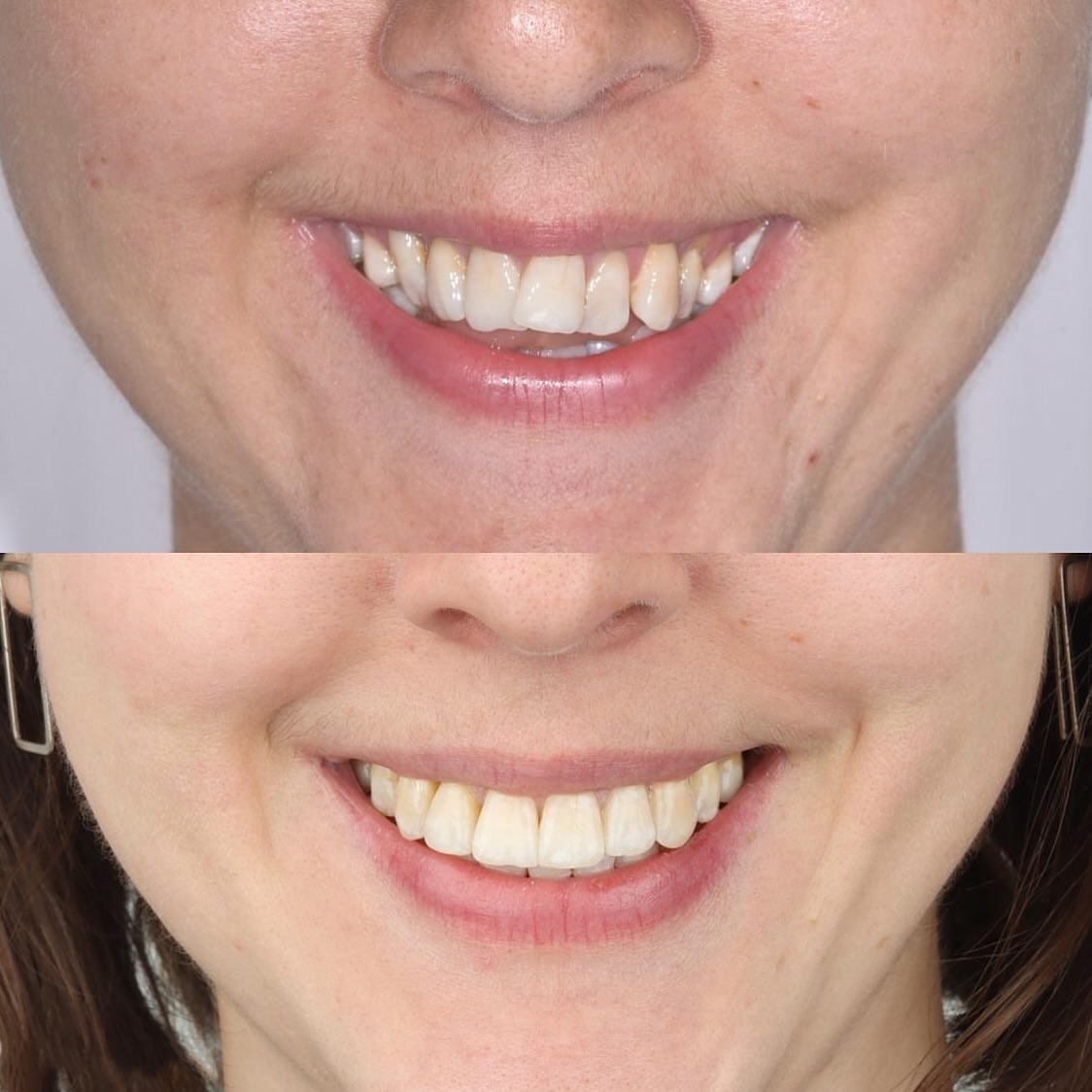
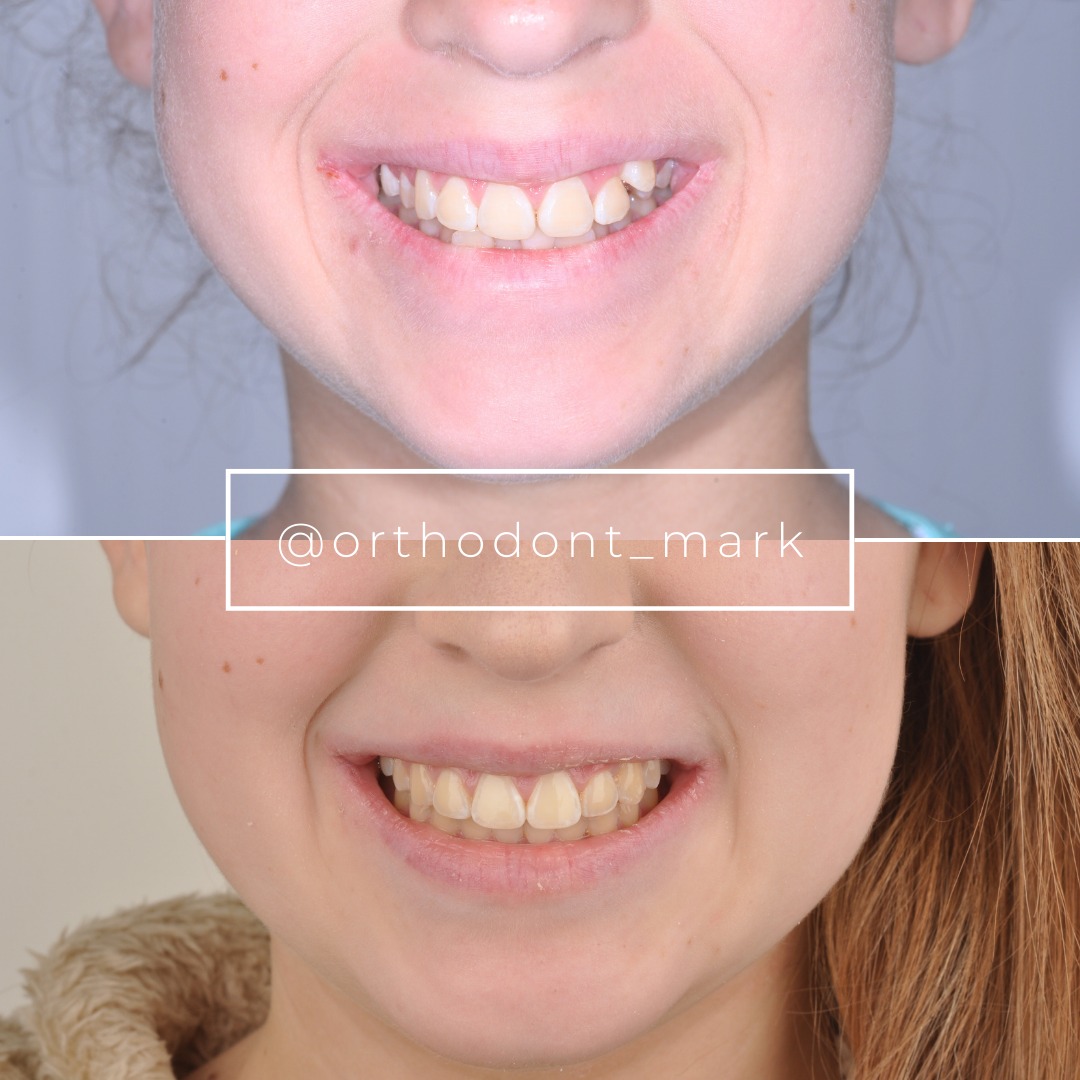
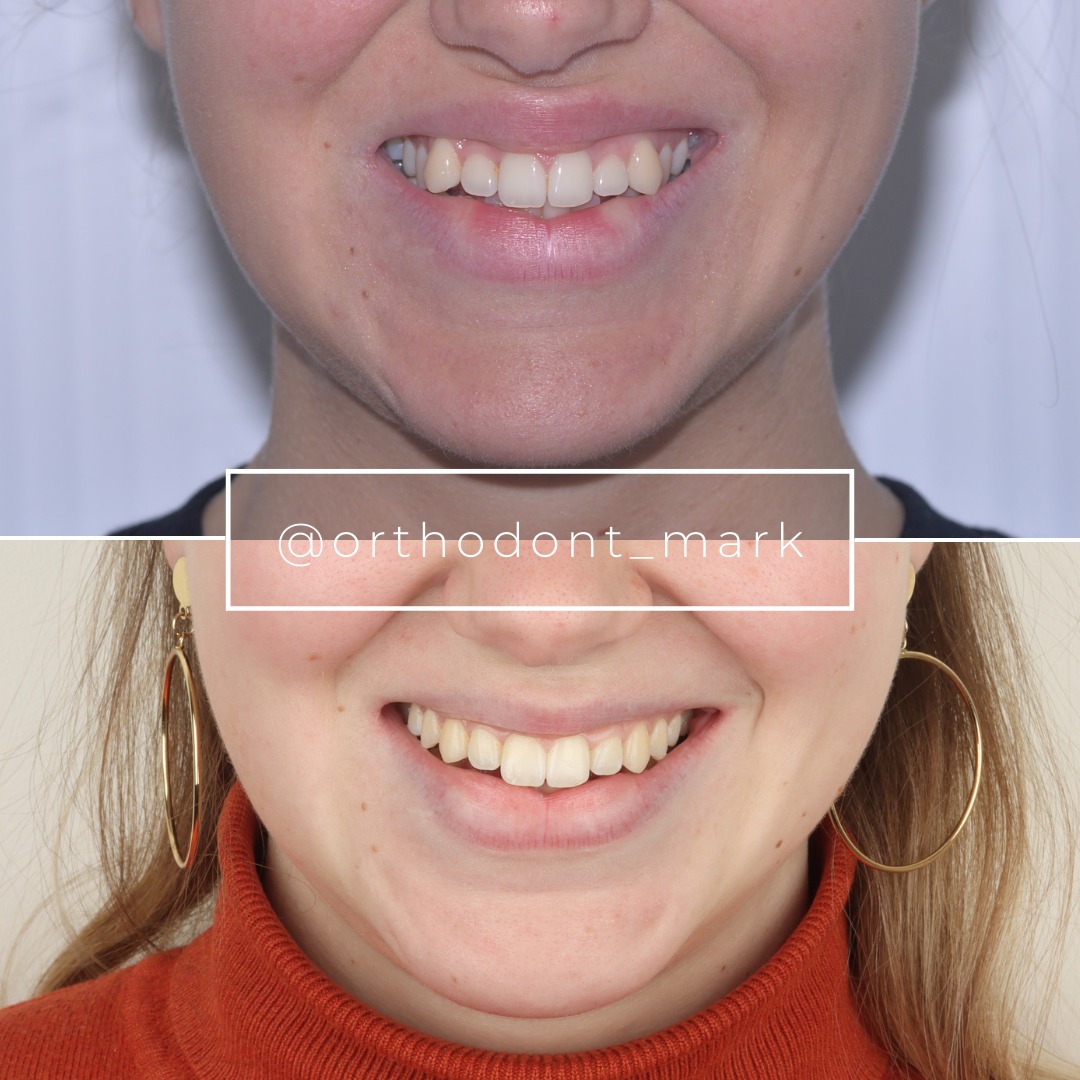
Documented outcomes
Clinical cases from Dr. Mark Radzhabov's practice
Learn the full MARPE protocol from Dr. Mark Radzhabov
Fundamental course covering CBCT patient selection, miniscrew planning, activation protocols, and 60+ clinical cases. Choose the access level that fits your practice.
Essentials of rapid palatal expansion for practicing orthodontists.
- Core RPE concepts and biomechanics
- 6 structured video lessons
- Clinical decision checklists
- Lifetime access to recordings
Deep-dive into MARPE protocol, diagnostics, and clinical execution.
- 6 modules covering MARPE from A to Z
- CBCT case selection walkthroughs
- Miniscrew placement and activation
- 60+ annotated clinical cases
- Direct Q&A with Dr. Mark Radzhabov
5-element medical consultation framework for dentists and orthodontists.
- Trust-building consultation protocol
- 5 lesson modules
- Templates for treatment plan delivery
- Works with any clinical specialty
Clinical FAQ
When is a transpalatal arch indicated over a Nance arch before MARPE placement?
A transpalatal arch is indicated when anchor first molars present with mesial rotation or pronounced buccal inclination. Its rigid bar actively resists rotational displacement during the pre-expansion loading phase, a biomechanical function the Nance arch cannot reliably replicate.
Does MARPE eliminate buccal tooth displacement, removing the need for pre-expansion anchorage augmentation?
No. Chun et al. (2022) confirmed in a randomized trial that MARPE produced significantly less buccal anchor tooth displacement than RPE (p < 0.05), but measurable displacement still occurred. Pre-expansion anchorage devices manage this residual dental effect.
How does midpalatal suture maturation stage affect anchorage demand before skeletal expansion?
Advanced suture interdigitation—present in 61% of females at age 15 per Govaerts et al. (2023)—prolongs the lag phase before sutural separation. During this phase, anchor teeth absorb the full expansion force, significantly elevating anchorage demand and justifying robust pre-expansion preparation.
Do male and female patients require different pre-expansion anchorage strategies for MARPE?
Sex-stratified data support this clinically. Jeon et al. (2022) found suture separation success of 61.05% in males versus 94.17% in females. Males face a statistically longer dental-load phase before skeletal response, strengthening the case for rigid transpalatal anchorage preparation in this group.
What is the optimal sequencing interval between transpalatal arch placement and MARPE miniscrew insertion?
Evidence does not specify an exact interval, but clinical rationale supports six to eight weeks—sufficient for the transpalatal arch to normalize molar rotation and create a stable anchorage environment before the expansion force vector is introduced via miniscrew-retained appliance activation.
How does pterygomaxillary suture closure affect pre-expansion anchorage planning in adolescent patients?
Govaerts et al. (2023) documented pterygomaxillary closure in 83–100% of females aged 13–17. Combined midpalatal and pterygomaxillary resistance means dental units absorb force from multiple directions early in activation, amplifying the biomechanical justification for robust anchorage augmentation before MARPE.
Can a Nance holding arch provide adequate rotational anchorage control during the MARPE preparatory phase?
Not reliably. The Nance arch distributes load through a mucosal acrylic button, which resists mesial drift but does not generate the rotational counter-moment needed to stabilize buccally inclined or mesially rotated first molars against transverse expansion forces.
What is the documented gap between device-prescribed expansion and actual suture separation in experimental models?
Klytong (2010) measured actual suture expansion of 3.72–4.45 mm against an expected 5.6 mm from the distraction device in a rabbit model. This mechanical shortfall reflects elastic rebound in periodontal and alveolar tissue—the same structures pre-expansion anchorage devices are designed to protect.
At what suture maturation stage should anchorage augmentation be considered mandatory before MARPE?
Stage C–D interdigitation warrants mandatory anchorage preparation because the lag phase before skeletal separation is prolonged. Govaerts et al. (2023) recommended surgeon cut-off ages as low as 14.8 years, reflecting how rapidly sutural resistance develops even in younger patients.
How does the suture separation success rate differ between MARPE and RPE in randomized clinical data?
Chun et al. (2022) reported midpalatal suture separation in 95% of MARPE subjects and 90% of RPE subjects in a randomized trial. Despite MARPE's superior skeletal efficiency, neither device produced universal separation—confirming that patient selection and anchorage preparation remain critical.
Selecting between a transpalatal arch and a Nance holding arch before MARPE is not a stylistic preference—it is a biomechanical decision grounded in suture maturity staging, anchorage demand, and the specific force path of the planned expander. Clinicians who integrate pre-expansion anchorage augmentation into their skeletal expansion workflow report more predictable dental stability throughout the active and consolidation phases. Dr. Mark Radzhabov encourages orthodontists to review their current case selection criteria and consider structured MARPE training to formalize these protocols before their next complex expansion case. Key sources: Jeon et al. (2022), Clinical Oral Investigations, doi:10.1007/s00784–021-04281–0. Chun et al. (2022), BMC Oral Health, doi:10.1186/s12903–022-02138-w. Govaerts et al. (2023), Journal of Orofacial Orthopedics, doi:10.1007/s00056–023-00487-x.