Initial situation
- Patient age 11 years 5 months
- Skeletal Class III malocclusion
- Maxillary (midface) deficiency
Traditional facemask therapy relies on tooth-borne anchorage, which mixes skeletal and dental effects: proclination of maxillary incisors, forward movement and extrusion of maxillary molars, and backward-downward rotation of the mandible.
The decision
A hexagonal onplant (7.7 mm diameter) was surgically placed subperiosteally in the palatal bone of the maxilla to serve as absolute skeletal anchorage, independent of the teeth. The facemask was connected directly to the onplant with elastics.
Force system: 400 g per side, directed 30° to the occlusal plane, worn 12 hours per day for 12 months in total.
The hypothesis: anchoring the facemask on an onplant instead of teeth increases the skeletal effect while minimizing dental side effects during maxillary protraction.
The result
Skeletal effects: forward and downward displacement of the maxilla by 2.9 mm, downward and backward rotation of the mandible, a 3° increase in the mandibular plane angle and an increase in lower facial height. Dental effects: no forward movement of the maxillary molars and only minimal molar extrusion — the orthopedic force was transferred primarily to the skeletal structures.
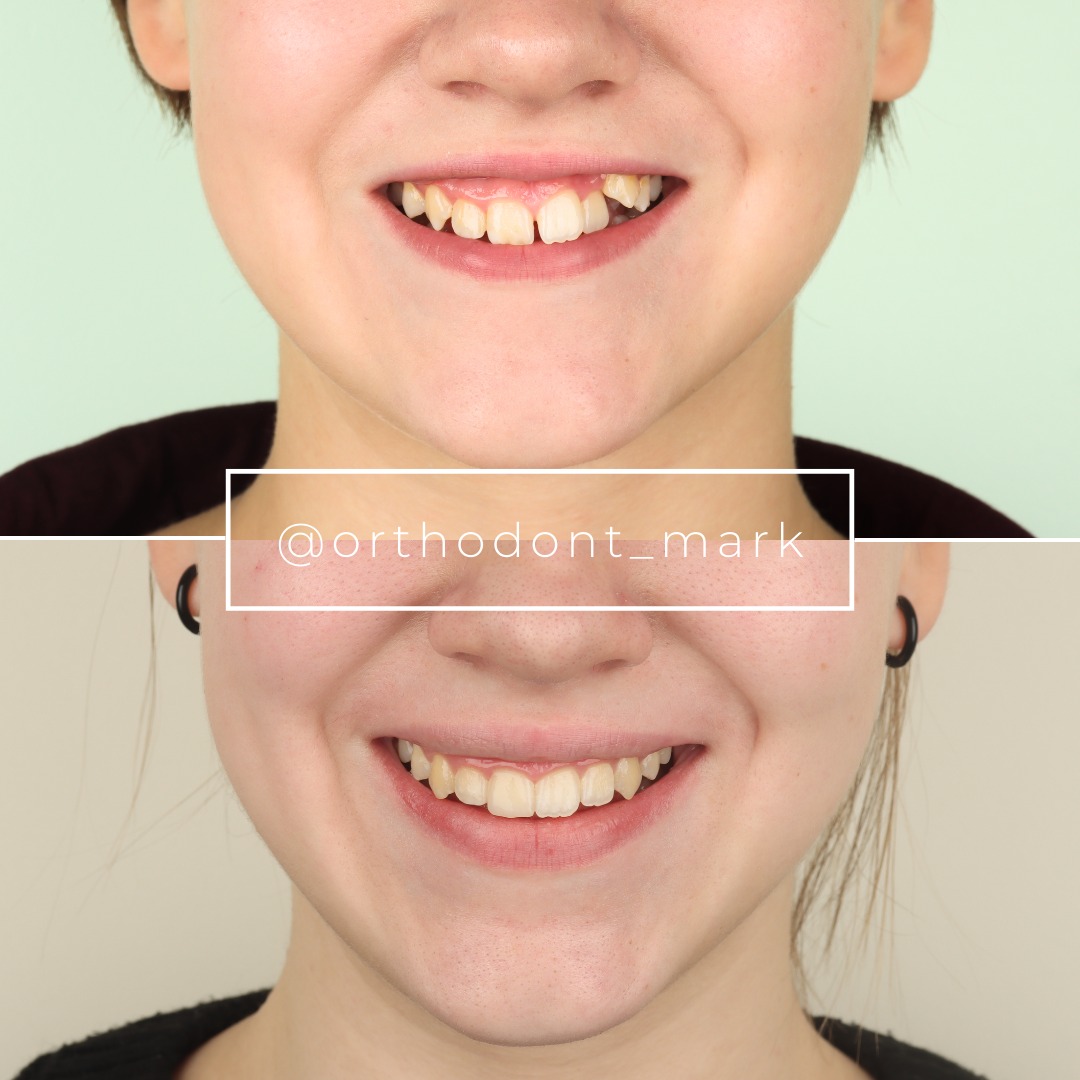
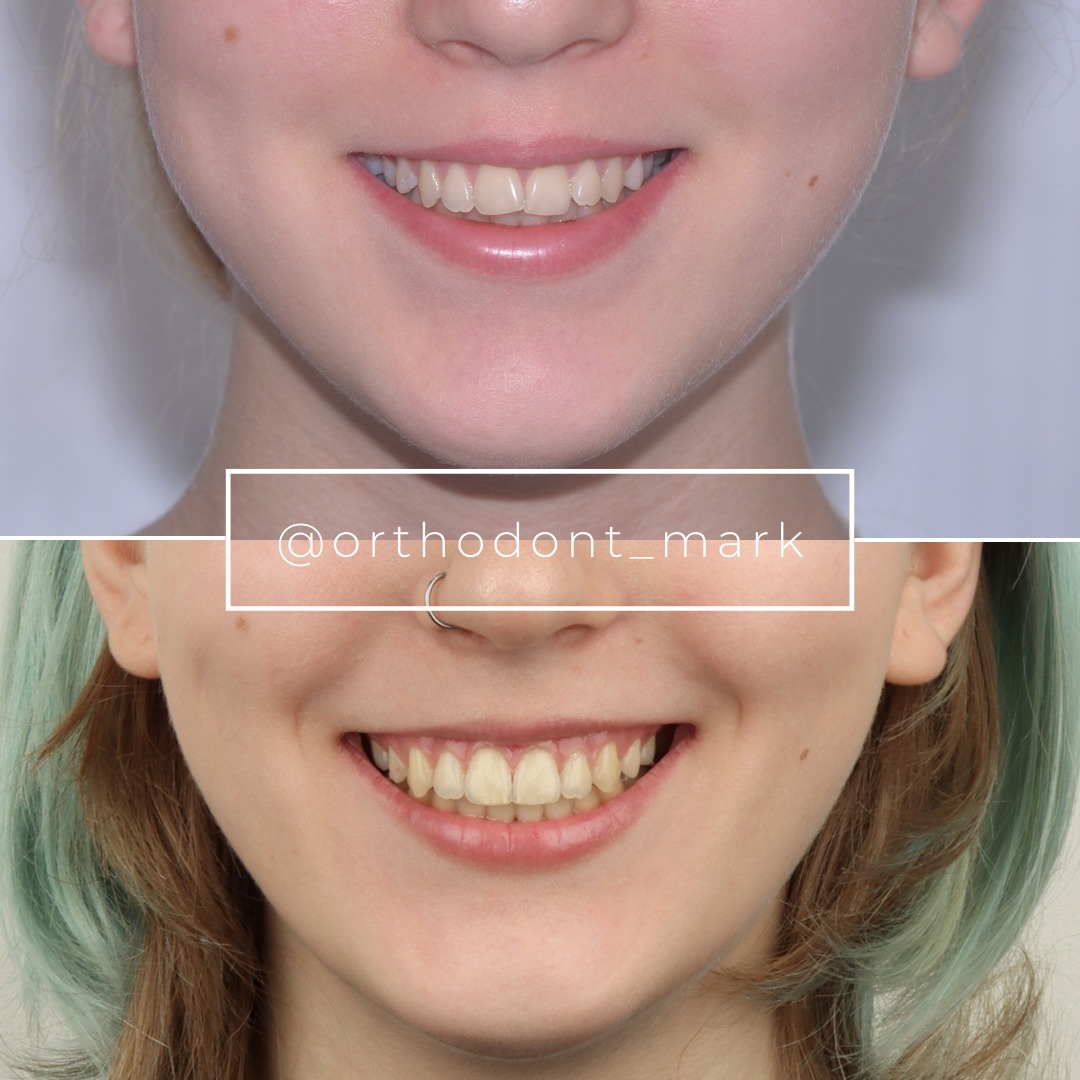
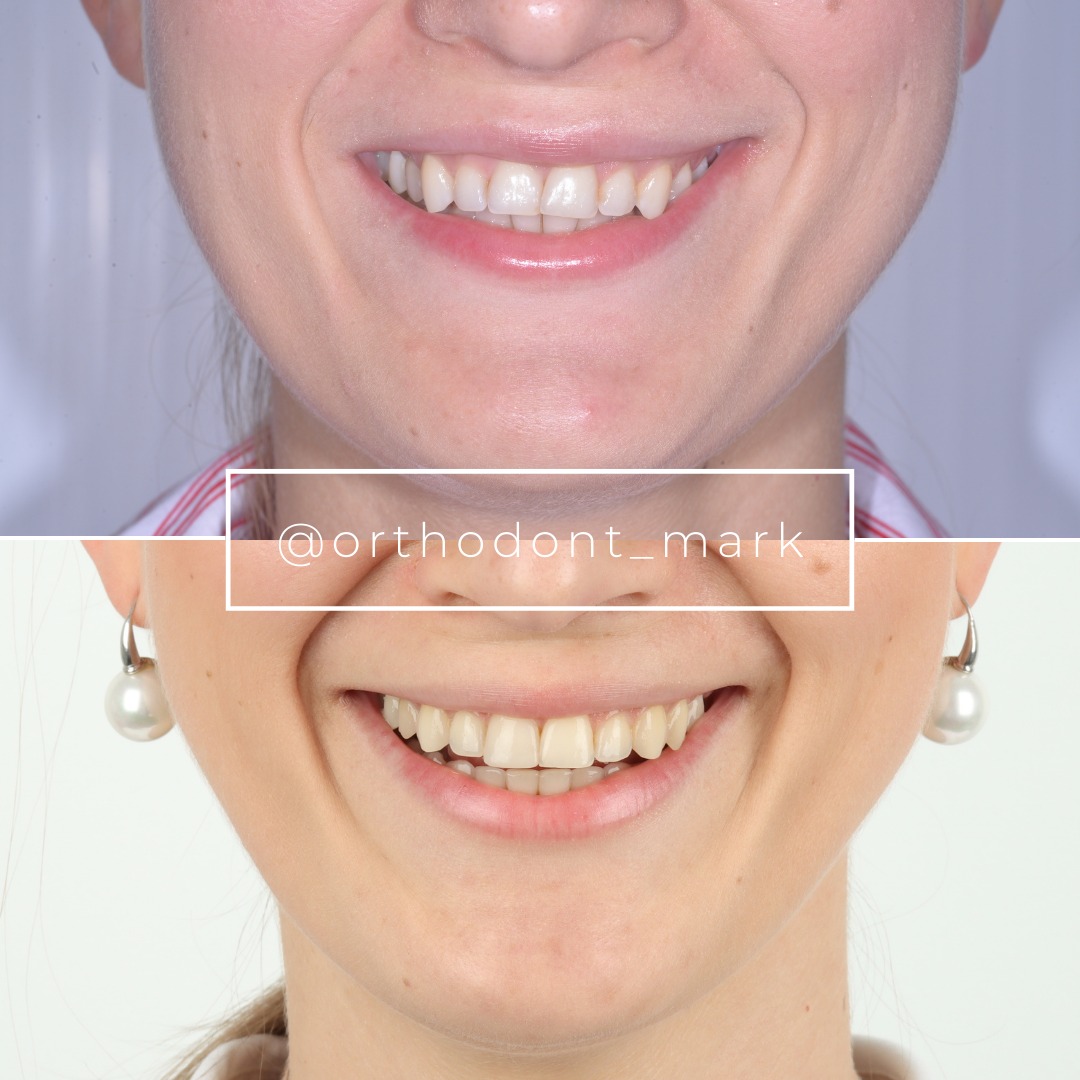
Esthetically, the report describes increased fullness of the infraorbital region, better facial balance, correction of the skeletal discrepancy between maxilla and mandible, and an overall improvement in facial profile and harmony.
Onplants provide extremely stable skeletal anchorage for facemask therapy, allowing more efficient maxillary protraction, fewer dental compensations and better control of force direction and magnitude — particularly valuable in growing Class III patients with maxillary deficiency.
About skeletal expansion & MARPE
Facemask protraction is an early-treatment tool for growing Class III patients with maxillary deficiency. Its weak point has always been anchorage: when the force is applied through the teeth, part of the effect is spent on dental compensation. Skeletal anchorage — onplants, TADs and the same principle behind MARPE — shifts treatment from dentoalveolar compensation toward true orthopedic correction. In this case report the principle is applied to maxillary protraction, with the onplant carrying the orthopedic load.
Questions clinicians ask
Why use an onplant instead of teeth as anchorage for a facemask?
Tooth-borne anchorage mixes skeletal and dental effects — incisor proclination, molar movement and extrusion. An onplant placed on the palatal bone gives absolute skeletal anchorage, so the orthopedic force reaches the circummaxillary sutures rather than the teeth.
What force protocol was used in this case?
The facemask was attached to the onplant with elastics delivering 400 g per side, directed 30° to the occlusal plane, worn 12 hours a day for 12 months.
What skeletal change was measured?
The maxilla moved forward and downward by 2.9 mm, the mandible rotated downward and backward with a 3° increase in the mandibular plane angle, and lower facial height increased, while the maxillary molars did not move forward.
Learn the decision-making behind cases like this
Get Dr. Mark Radzhabov's free guide to skeletal-expansion appliances — which appliance to choose at which age — plus a free introductory MARPE lesson.
Get the Free Guide →More clinical cases
Original case shared by Dr. Mark Radzhabov on Instagram @orthodont_mark · Published for professional education.